Where to Stay in Jeju: Best Areas & Accommodation Guide
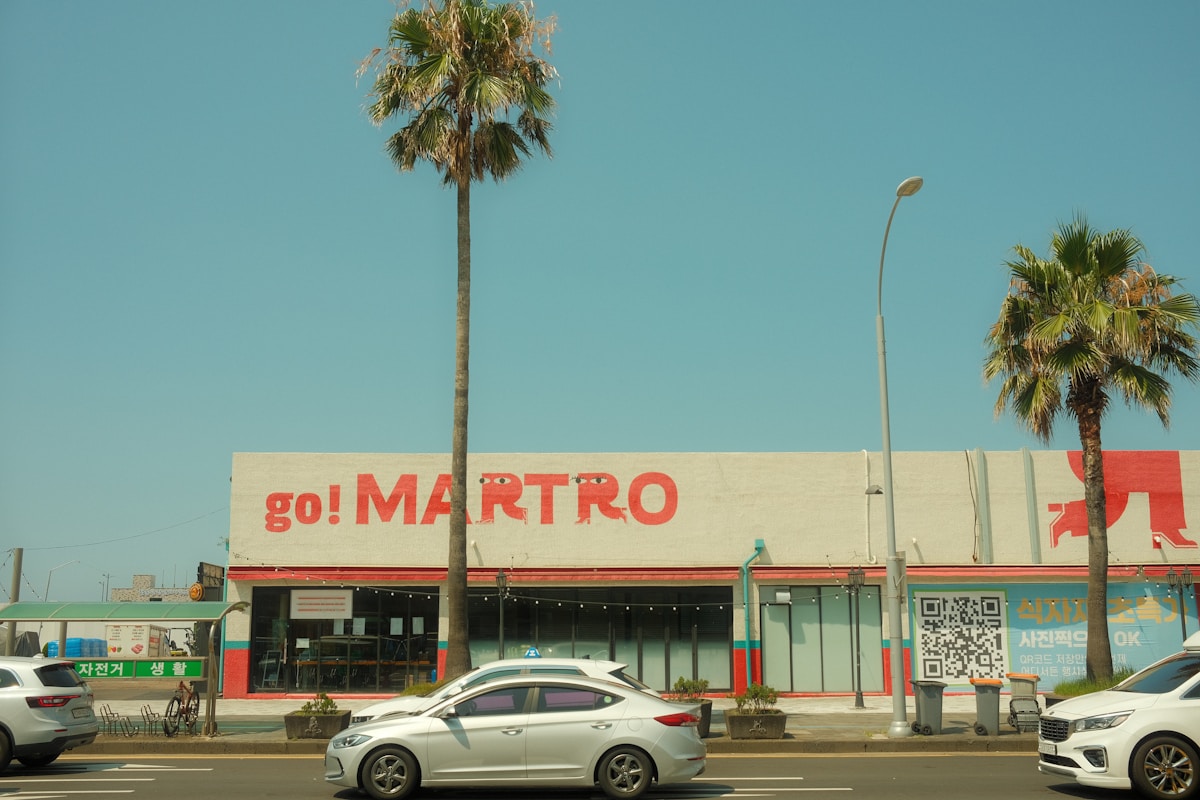
Where you base yourself on Jeju Island shapes what you can reach easily and how much time you spend in transit. The island is not large — the circuit road (Route 1132) runs about 240 km and takes around 2.5 hours without stops — but it is uneven in its geography. The north has the airport and the city. The south coast has the most dramatic scenery. The east has Seongsan and the lava tubes. The west has the tea plantations and the quietest beaches.
For full context on the island, see our Jeju Island travel guide. For hotel recommendations with specific property names, see our best hotels in Jeju guide.
Jeju City (North)
Best for: Arrivals, transport convenience, the widest range of accommodation options
Jeju City is where the airport, main bus terminal, and largest concentration of guesthouses, hotels, and pension-style accommodation are found. Most visitors who don’t hire a car will find it easier to manage transfers from here. The city is not scenically remarkable — it’s a modern Korean city with a working harbour and suburban sprawl — but it has good markets, solid restaurant options, and the full range of accommodation categories.
Area highlights:
- Dongmun Traditional Market — the main local market for food, fresh produce, and Jeju specialities (hallabong tangerines, black pork, seafood)
- Yongduam Rock (Dragon Head Rock) — a coastal lava formation popular at sunset, about 3 km from the city centre
- Manjanggul Lava Tube — 30 km east of the city, accessible by car in 40 minutes
Typical accommodation pricing (as of 2026):
- Budget pensions and guesthouses: KRW 60,000–90,000 per night
- Mid-range hotels: KRW 110,000–180,000 per night
- Business hotels and 4-star properties: KRW 180,000–280,000 per night
Neighbourhood to target: The area around Yeon-dong (near the airport) has a high concentration of clean budget and mid-range hotels within 10 minutes of arrivals. The Tapgol area near the port has older yeogwan-style guesthouses at the lower end. Samdo-dong and the central streets between the market and the harbour are well-placed for restaurants and transport.
Seogwipo (South)
Best for: South coast sightseeing, quieter atmosphere, Olle Trail access
Seogwipo is Jeju’s second city — smaller than Jeju City and with a dramatically different feel. It sits on the south coast at the base of Hallasan and is surrounded by waterfalls, lava cliffs, and citrus groves. The pace is noticeably slower. Cafés and restaurants have better sea views than anything in the city.
Key sites accessible from Seogwipo without a long drive:
- Jeongbang Waterfall — one of the few waterfalls in Asia to fall directly into the sea; entry approximately KRW 2,000
- Cheonjeyeon Waterfalls — three-tier waterfall in a forested canyon; entry approximately KRW 2,500
- Jusangjeolli Cliff — basalt columns near Jungmun; about 15 minutes by car
- Olle Trail sections 6 and 7 pass through the Seogwipo area
Typical accommodation pricing (as of 2026):
- Budget guesthouses and pension rooms: KRW 70,000–100,000 per night
- Mid-range hotels and guesthouses: KRW 120,000–200,000 per night
Seogwipo is about 45 km from the airport — around 50–60 minutes by car via the central expressway, longer by bus. If arriving by bus, the Seogwipo Intercity Bus Terminal is the hub.
Jungmun Resort Area (South-Central)
Best for: Luxury resorts, beach access, families
Jungmun is a purpose-built resort corridor on the south-central coast developed specifically for tourism. It has the island’s most upscale hotels, a dedicated beach (Jungmun Saekdal Beach), and a cluster of leisure attractions including Pacific Land (dolphin and whale performances), the Teddy Bear Museum, and the nearby Spirited Garden.
The Jungmun area is about 30 km west of Seogwipo and 35 km from the airport. It has less local character than either Jeju City or Seogwipo — it exists primarily to serve resort guests — but the beach is well-maintained and the hotels are the best-equipped on the island.
Typical accommodation pricing (as of 2026):
- Upper mid-range to luxury: KRW 250,000–500,000+ per night
- Budget accommodation is limited in this area; those on a tighter budget are better placed in Seogwipo or Jeju City
Hallim and the West Coast
Best for: A quieter base, access to Osulloc Tea Museum, Hallim Park, Hyeopjae Beach
The west coast — centred on the town of Hallim — is less visited than the south or east and has fewer tourist facilities as a result. What it offers: a quieter atmosphere, the Hyeopjae Beach (white sand, shallow water, good for families), and easy access to the tea plantation and Biyangdo Island (a small volcanic island offshore from Hallim Port).
Accommodation here skews toward smaller pensions and B&B-style guesthouses. Mid-range hotel options are limited. If you plan to spend time exploring the western half of the island and want to avoid Jeju City’s traffic, basing yourself near Hallim makes sense.
Typical accommodation pricing (as of 2026):
- Pensions and guesthouses: KRW 60,000–120,000 per night
Seongsan Area (East)
Best for: Seongsan Ilchulbong, Jeju Folk Village, Udo Island day trip
The eastern tip of the island around Seongsan is one of the most scenic stretches of the coastline. Staying here — in a pension or guesthouse near the Seongsan Ilchulbong car park — puts the sunrise climb within walking distance. Udo Island ferries leave from Seongsan Port a short walk away.
There are no large hotels in this area — accommodation is pensions, guesthouses, and small hanok-influenced stays. The tradeoff is a very long transfer from the airport (about 1 hour 20 minutes by car).
Typical accommodation pricing (as of 2026):
- Pensions and guesthouses: KRW 70,000–130,000 per night
Booking Tips
- Spring (late March to early May): The busiest period. Book accommodation at least 4–6 weeks ahead. Prices increase by 30–50% at popular properties.
- Korean public holidays (Chuseok, Seollal): Jeju is extremely crowded. Accommodation sells out months in advance.
- Summer (July–August): Beach resorts fill fast. Book early; prices are high.
- Winter (December–February): The quietest period. Budget options often have vacancy. Some pensions reduce prices significantly.
- Rental car: Book alongside accommodation for peak periods — car inventory sells out faster than hotel rooms at the airport.
For guided island tours and activities in Jeju, booking ahead is strongly recommended during spring and autumn.
Book an experience
Things to do here
Top-rated activities on this island — book ahead to secure your spot.
Frequently Asked Questions
- Is Jeju City or Seogwipo better for accommodation?
- Jeju City is better for transport links — the airport and most bus routes originate there. Seogwipo suits visitors focused on the south coast, Seongsan Ilchulbong, and a quieter pace. If you're hiring a car, either works well as a base for island-wide exploration.
- How expensive is accommodation in Jeju?
- Budget pensions start from around KRW 60,000–80,000 per night for a basic room. Mid-range hotels run KRW 120,000–220,000. Luxury resorts in the Jungmun area and on the coast cost KRW 300,000–500,000 or more per night, with the top properties higher again. As of 2026, prices spike significantly during Korean public holidays and the spring cherry blossom period.
- Do I need a car if I stay in Jeju City?
- For flexible island exploration, yes. The city bus network covers the main tourist sites but is slow on secondary routes. Without a car, you will likely find yourself waiting for infrequent rural buses or paying for multiple taxis. Rental cars are available at the airport and in Jeju City — an international driving permit is required for foreign nationals.
Sorted your stay?
Here's how to get there — and get around once you arrive.
Airport Transfer
Fixed-price airport pickup to Jeju Island Travel Guide — driver meets you at arrivals, no haggling.
Book a Transfer →We may earn a small commission — at no extra cost to you.