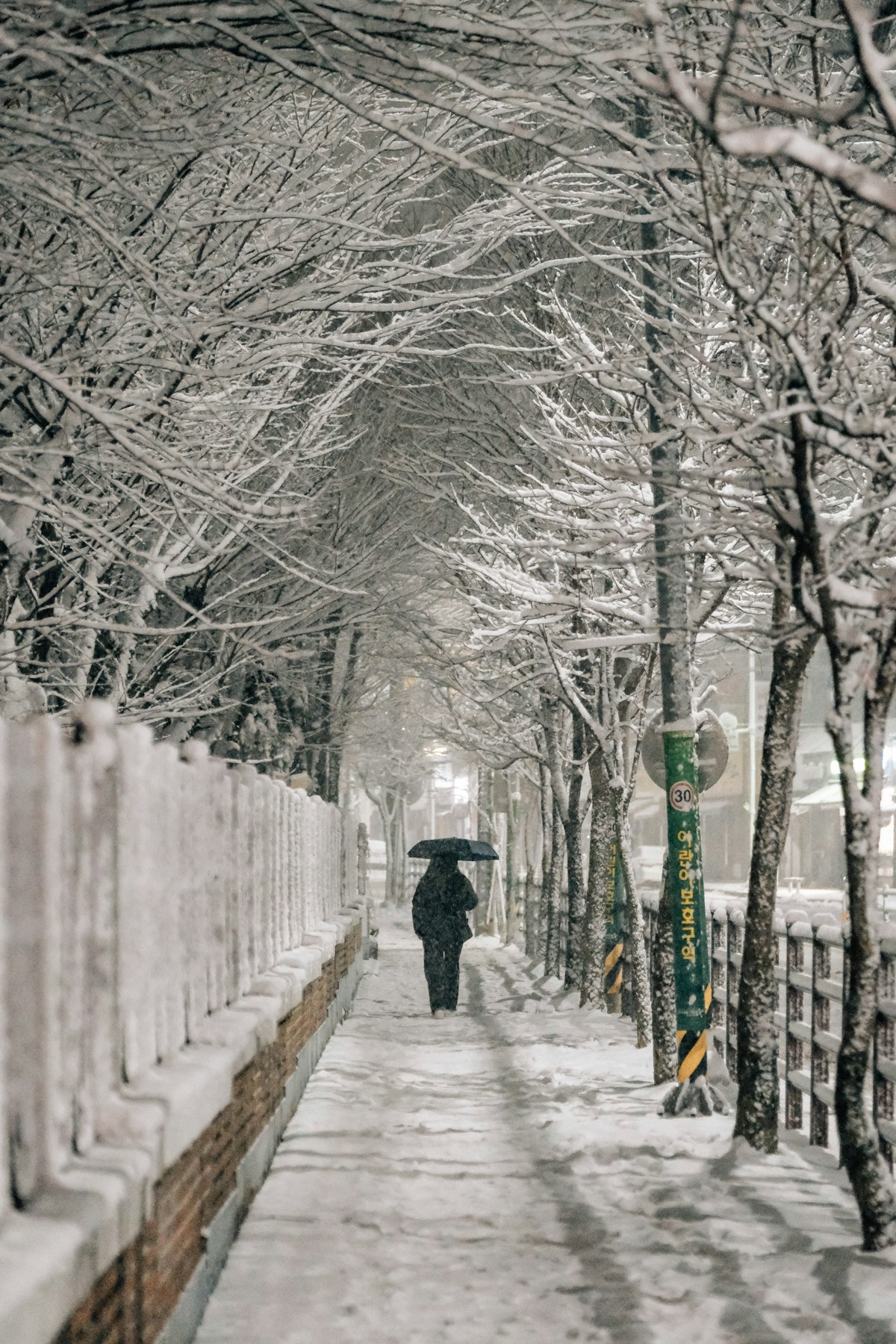
Sokcho is a small coastal city on the East Sea at the foot of Seoraksan - Korea’s most dramatic mountain range. The city exists primarily as a gateway to the national park, and it performs that function well. But Sokcho itself has things worth lingering for: an unusual village with an atypical history, a large coastal lake, a functioning fishing port with outstanding seafood, and a beach that fills with summer visitors and empties to near-solitude in the off-season.
Here is a practical guide to the best things to do in Sokcho and the surrounding area, with entry fees current as of 2026.
Seoraksan National Park
Seoraksan is the main reason most visitors come to Sokcho. The park protects a 398 km² area of granite peaks, deep forested valleys, rocky ridgelines, and Buddhist temples. The highest peak, Daecheongbong (1,708 metres), is the third highest in South Korea.
Entry to the national park costs KRW 3,500 for adults as of 2026. The main visitor area at Seorakdong has trailheads, the cable car station, several Buddhist temples, and a museum. The park is open year-round, though snow and ice make some upper trails challenging from December through February.
Trail options from the main entrance:
- Heundeulbawi Rock and Gyejoam Hermitage: a popular trail with a dramatic split boulder (2.4 km one way, approximately 90 minutes)
- Ulsanbawi Rock: a challenging hike to a distinctive rock formation visible from across the valley (4.4 km return from the hermitage, allow 4–5 hours total)
- Daecheongbong summit: a full-day hike requiring an early start and good fitness
The park is at its most spectacular in late October and early November when the deciduous forest turns red and orange. Crowds peak in autumn - weekends in October can be extremely busy. Spring brings alpine wildflowers and fewer visitors.
Gwongeumseong Cable Car
The Gwongeumseong cable car operates within the national park from the Seorakdong visitor area to a rocky ridge at 805 metres altitude. The 5-minute ride delivers you to a viewpoint with views across the Outer Seoraksan peaks and down toward the coast on clear days.
The cable car costs approximately KRW 12,000 return for adults as of 2026 and runs daily (weather permitting) from around 09:00 to 17:00 in winter and later in summer. Queues on autumn weekends can be long - arriving at opening time helps significantly. The cable car terminus is a starting point for further short hiking on the rocky ridge above.
Abai Village
Abai Village (아바이마을) occupies a narrow sandbar between Cheongchoho Lake and the sea, connected to the main Sokcho waterfront by a hand-pulled ferry - a flat rope-guided raft operated by pulling on a steel cable, costing a few hundred won per crossing. The ferry is part of what makes visiting Abai feel like stepping sideways in time.
The village was established by North Korean refugees who fled south during the Korean War and settled on what was then unoccupied land at the edge of Sokcho. Many of the original residents and their descendants still live here. It is an unusual community - deeply rooted in the experience of displacement, with a distinctive culinary culture from the Hamgyeong region of North Korea.
Abai sundae (아바이순대 - a stuffed squid and glutinous rice preparation distinct from standard Korean blood sausage) and grilled eel are the signature dishes of the village’s restaurants. Entry to the village itself is free; the ferry costs KRW 100–200 per crossing as of 2026.
Sokcho Beach
Sokcho Beach is a clean, wide East Sea beach stretching for about 2 km at the northern edge of the city. Swimming is possible from June through August, when the beach fills with summer visitors. Outside summer, the beach is largely empty - which has its own appeal.
The water is clear but cold by the standards of beaches further south. Entry is free. The beach promenade has cafes and seafood restaurants. A lighthouse at the northern end of the beach is a short walk from the main beach area and has views across the bay toward the mountains.
Cheongchoho Lake
Cheongchoho is a large freshwater coastal lagoon separated from the sea by a narrow sandbar at the edge of Sokcho. The lake has a walking and cycling path around its shoreline - a flat, pleasant 7 km circuit accessible to all fitness levels.
Entry to the lakeside paths is free. The lake surface reflects the mountains on clear mornings, making it a good early start point before heading to the national park. Rowing boats are available for hire on the lake at low cost.
The Cheongchoho area has a cluster of cafes and small restaurants along the western shore. The village of Cheongchoho (separate from Abai) has some traditional-style fish restaurants serving grilled fish and seafood stew.
Dongmyeong Port and Fresh Seafood
Dongmyeong Port is a working fishing harbour at the south end of Sokcho, where the boats that fish the East Sea bring in their catches. The port area has a raw fish market (수산시장 - susanjang) where you can buy fresh seafood and have it prepared at adjacent restaurants for a small cutting fee.
Snow crab (대게 - daege), raw fish platters (모듬회), and grilled eel (장어구이) are the specialities. Crab prices vary by season and size - autumn and winter bring the best supply and best quality. Budget KRW 25,000–50,000+ for a medium crab, and check prices at multiple stalls before committing, as variation is significant.
Book guided tours and activities in Sokcho through GetYourGuide.
Pick up an eSIM for South Korea through Airalo to stay connected.
Sunrise at Sokcho Lighthouse
The lighthouse at the end of the beach promontory at the northern edge of Sokcho faces east over the sea. Sunrise in this spot - particularly in the clearer winter months - is genuinely worthwhile if you are willing to be there at the right time. The lighthouse is free to visit.
For where to sleep when exploring the area, see our Sokcho where to stay guide. For the full city overview, visit the Sokcho travel guide.