Things to Do in Seoul: Top Attractions & Experiences
Book an experience
Top-rated experiences in Seoul Travel Guide
The highest-rated tours and activities in Seoul Travel Guide. Book today, cancel free if plans change.
Seoul rewards visitors with an unusual mix of Joseon-era heritage, extreme urban density, and some of the best street food in Asia. The city is large, but its main attractions cluster across a handful of walkable districts. We have put together a practical guide to the top things to do in Seoul, with entry fees and opening times current as of 2026.
Gyeongbokgung Palace
Built in 1395 as the primary palace of the Joseon dynasty, Gyeongbokgung is the largest and most frequently visited of Seoul’s five royal palaces. The complex covers 410,000 square metres and includes the National Palace Museum and the National Folk Museum, both free with palace admission.
Entry costs KRW 3,000 as of 2026. The changing of the royal guard ceremony runs at 10:00 and 14:00, Tuesday through Sunday. Hanbok rental is available near the main gate — visitors wearing hanbok enter free. The palace is a 10-minute walk from Gyeongbokgung station on metro line 3.
Allow at least 90 minutes to cover the main halls and rear garden. The rear garden (Amisan) has particularly good cherry blossom viewing in late March and early April.
Bukchon Hanok Village
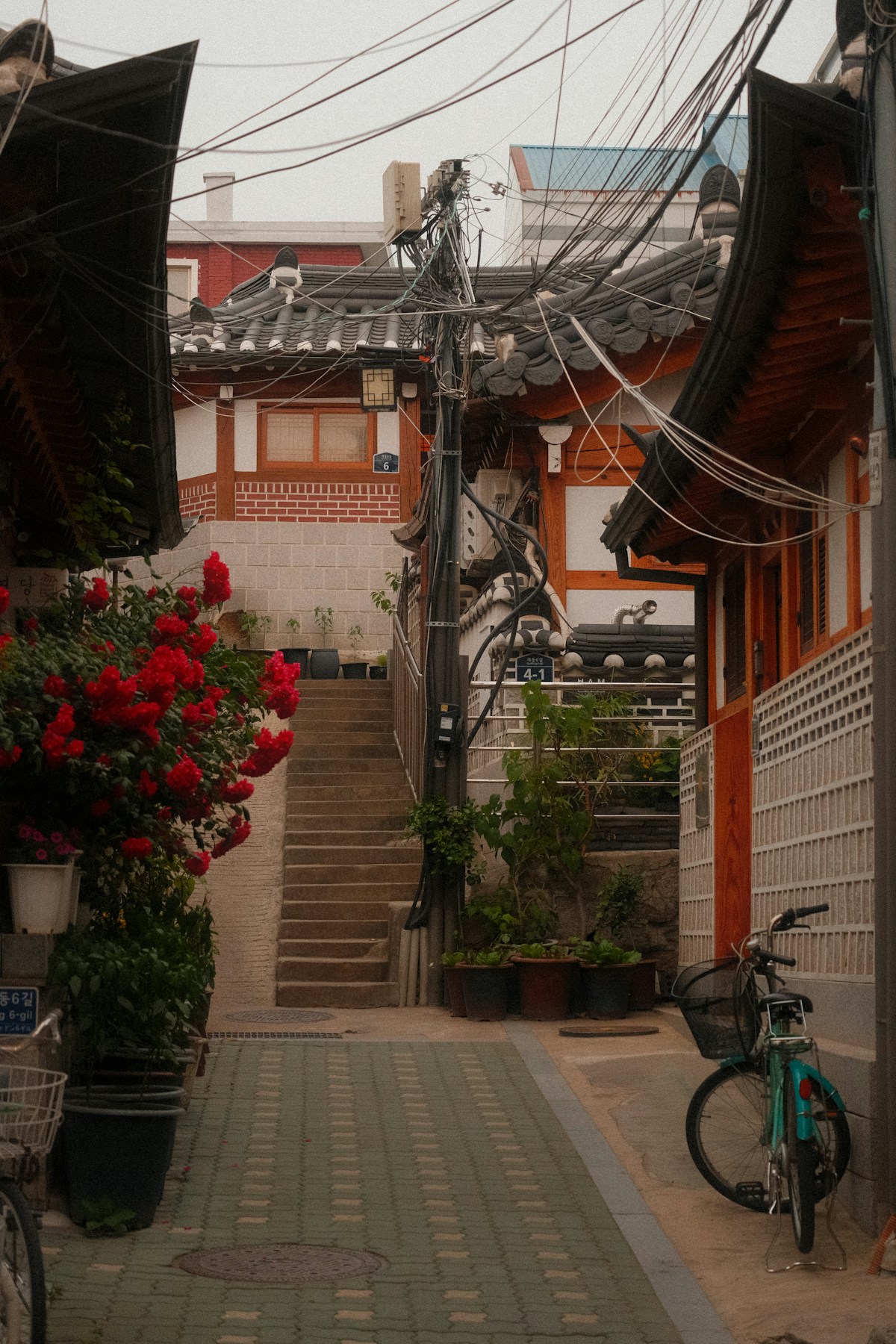
Bukchon sits on a hillside between Gyeongbokgung and Changdeokgung palaces, preserving a cluster of several hundred traditional Korean houses (hanok) in what would otherwise be a central urban district. The narrow alleys between tiled rooftops are some of the most photographed scenes in the country.
Entry is free. The upper sections of the village provide views over the rooflines toward Namsan Tower to the south and the palace walls to the west. The village is residential — some alleys post signs requesting quiet before 10:00 to protect residents.
From Anguk metro station (line 3), the walk up to the main viewpoints takes about 15 minutes. Combine with Changdeokgung Palace next door, which has a famous Secret Garden accessible by guided tour (KRW 8,000, advance booking recommended).
N Seoul Tower (Namsan Tower)
Standing 236 metres above Namsan Mountain, N Seoul Tower is visible from much of central Seoul and offers panoramic views of the city and surrounding mountains. The tower sits at 479 metres above sea level including the mountain, making it Seoul’s highest public viewpoint.
The cable car from the base of Namsan costs KRW 9,500 return as of 2026 and runs from 10:00 to 23:00 daily. Alternatively, a city bus (number 05) runs from Chungmuro metro station to the cable car station. Walking up through Namsan Park takes about 30–40 minutes and is free.
The observation deck inside the tower has an additional entry fee of around KRW 21,000 for adults. The outdoor deck around the tower base is free and still offers excellent city views. The famous love lock fence rings the base of the tower.
Insadong
Insadong is a pedestrianised market street and surrounding neighbourhood in the Jongno district, known for traditional craft shops, tea houses, and small galleries. The main alley is lined with vendors selling handmade paper, ceramics, and Korean sweets.
Ssamziegil, a multi-level open-air mall at the north end of Insadong, has independent shops and a small food court with Korean street snacks. Namdaemun Market is a short walk away for those looking for a larger market experience.
The area is liveliest on weekends when street performers occasionally appear on the main drag. Most shops open by 10:00 and close by 21:00.
DMZ Day Tours
The Demilitarized Zone between South and North Korea lies about 50 km north of Seoul. Most visitors join an organised tour, as access to the main sites — including the Joint Security Area (JSA) at Panmunjom and the infiltration tunnels dug by North Korea — requires prior registration and is not independently accessible.
Tours depart from central Seoul and typically run 5–8 hours, priced from approximately KRW 55,000 per person as of 2026 for standard DMZ tours. JSA tours, which allow entry into the actual border area and the blue conference buildings, are more expensive (from KRW 100,000+) and require separate registration through the UN Command.
Book at least one day in advance. Some tour providers require passport details 24–48 hours ahead for security clearance. The DMZ is closed on Mondays.
Han River Parks
The Han River cuts through the middle of Seoul, and the city has developed a network of riverside parks along both banks, stretching for over 40 km. These parks — collectively called Hangang Park — are among the most used public spaces in the city.
Entry is free throughout. The parks have cycle hire stations, outdoor fitness equipment, inline skating areas, and floating platforms. Food delivery to the riverside is a Seoul institution — several apps allow orders of fried chicken, beer, and convenience store food directly to a named park location.
Yeouido Hangang Park is the most popular section, particularly during the spring cherry blossom season when the surrounding streets are lined with flowering trees. Banpo Hangang Park has the Banpo Bridge Rainbow Fountain, which runs on a schedule evenings and weekends (free, visible from the riverside).
Myeongdong Shopping District
Myeongdong is Seoul’s most tourist-dense shopping district, built around a pedestrianised high street packed with cosmetics chains, fast fashion, and Korean beauty brands. Amore Pacific, Innisfree, Etude House, and most major K-beauty brands have flagship or large stores here.
Street food vendors set up in the evenings along the main pedestrian street, selling tteokbokki (spicy rice cakes), Korean-style corn dogs, hotteok (sweet pancakes), and skewered snacks. Prices are generally KRW 3,000–8,000 per item.
The area is crowded on evenings and weekends. The nearby Namdaemun Market offers a more local alternative for shopping.
Namsan Fortress Walls
The Hanyangdoseong fortress walls once encircled the entire city of Joseon-era Seoul. Significant sections remain, particularly on the slopes of Namsan Mountain and Naksan hill in the north. Walking sections of the wall gives a mix of historical context and city views.
The Namsan section is the most accessible — the wall path connects Jangchungdan Park to the area around the cable car base and continues toward Bugaksan in the north. Entry is free. The walk along the Namsan walls to Baekbeom Square takes around 45–60 minutes at a comfortable pace.
The Naksan section (Naksan Park) offers elevated views over Ihwa Mural Village to the east and down into central Seoul to the west. This section is a 15-minute walk from Hyehwa metro station (line 4).
Gwangjang Market
Gwangjang Market in Jongno dates to 1905 and is one of the oldest traditional markets in Korea still in active operation. The covered food section in the centre has become well-known internationally following television coverage, and serves bindaetteok (mung bean pancakes), mayak kimbap (miniature seaweed rice rolls), and sundae (blood sausage).
Most stalls operate from around 08:00 to 21:00. Bindaetteok typically costs KRW 5,000–7,000 per portion; kimbap sets run around KRW 3,000–4,000. The textile sections surrounding the food hall are worth a look if you want to see an older style of Korean wholesale market.
For where to sleep once you have planned your itinerary, read our Seoul where to stay guide. For organised day tours and attraction tickets, see our Seoul tours page.
Planning your time in Seoul? The Seoul city hub covers transport, neighbourhoods, and practical logistics.
Frequently Asked Questions
- Is Gyeongbokgung Palace worth visiting?
- Yes. It is the largest of Seoul's five royal palaces and one of the most striking historical sites in Korea. The changing of the royal guard ceremony runs at 10:00 and 14:00 most days and is free to watch. Admission is KRW 3,000 as of 2026.
- How do you get to the DMZ from Seoul?
- Most visitors join an organised day tour departing from central Seoul, typically from Hongik University station or Gwanghwamun. Tours run most days and take 5–7 hours. Book at least a day in advance as entry requires pre-registration.
- Is Bukchon Hanok Village free to visit?
- Yes — there is no admission charge to walk through the village. The surrounding alleys and viewpoints are open to anyone. Note that many of the hanok houses are occupied residences, so visitors are asked to keep noise down, particularly in the mornings.
Ready to explore?
Browse hundreds of tours and activities. Book securely with free cancellation on most options.
Browse on GetYourGuide →We may earn a small commission — at no extra cost to you.