Where to Stay in Seoul: Best Neighborhoods & Hotels
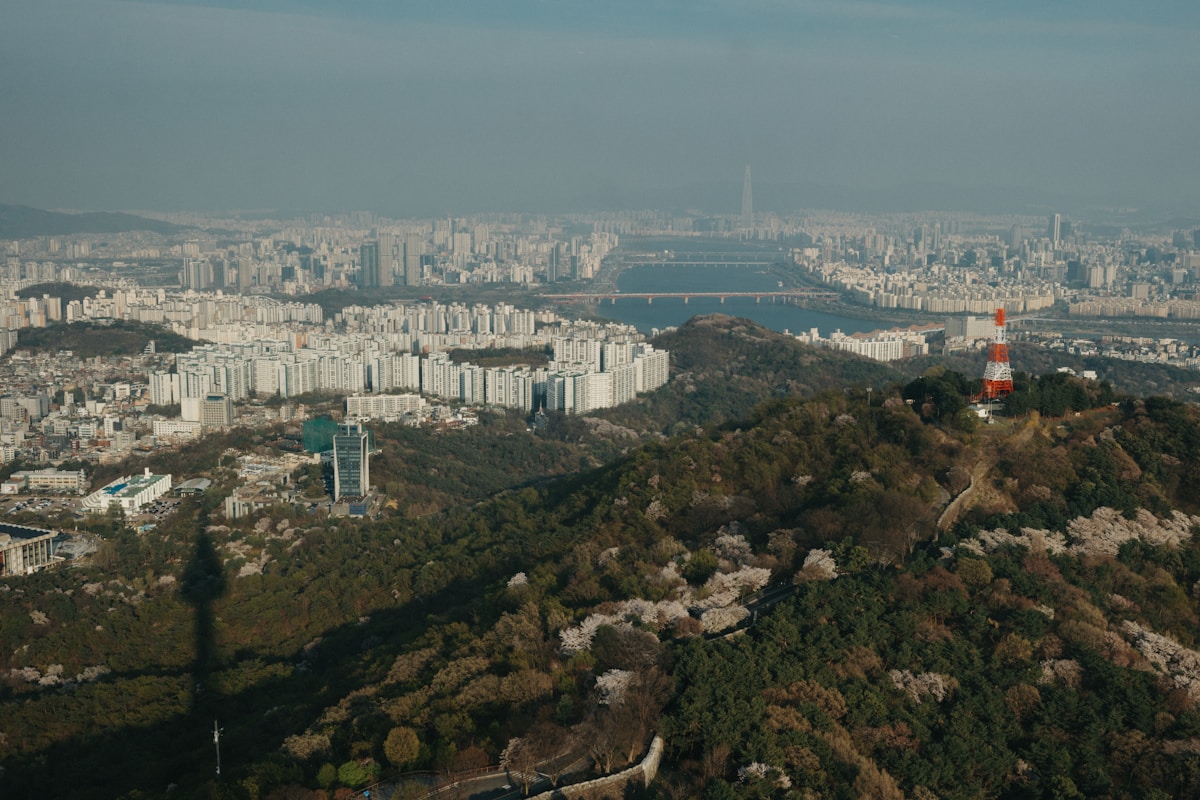
Seoul has accommodation spread across a large metropolitan area, but most visitors settle on one of six or seven central neighbourhoods depending on priorities — proximity to sights, nightlife access, budget, or a quieter experience. Here is a breakdown of the main areas with price ranges as of 2026.
Myeongdong
Myeongdong is the most centrally located option for tourists visiting Seoul’s main northern sights. The district sits within a 20-minute walk or short metro ride of Gyeongbokgung Palace, Insadong, and Bukchon Hanok Village, and has direct metro connections across the city.
The neighbourhood itself is dense with shopping, K-beauty stores, and evening street food vendors. It is not quiet, but it is extremely convenient.
Budget options: Small guesthouses and capsule hotels in Myeongdong range from approximately KRW 80,000–120,000 per night for a private room as of 2026. Shared dormitory beds run from KRW 30,000–50,000.
Mid-range: Business hotels in the district typically price between KRW 180,000–280,000 per night. Ibis Ambassador Myeongdong, Lotte City Hotel Myeongdong, and similar branded mid-range hotels are common.
Upscale: The Lotte Hotel Seoul flagship in Myeongdong is one of the city’s best-regarded luxury properties, from approximately KRW 400,000 per night.
The main downside is crowds. Myeongdong’s main pedestrian street is heaving on evenings and weekends, and the area lacks much neighbourhood character beyond retail.
Hongdae (Hongik University Area)
Hongdae is the arts and music district of Seoul, centred on Hongik University and covering a dense grid of bars, independent cafés, street fashion boutiques, and live music venues. The neighbourhood is most alive from late afternoon into the early hours.
For travellers who want easy nightlife access and a younger energy, Hongdae makes a strong base. It connects to Incheon Airport via the AREX direct train, making arrival and departure simple.
Budget: Youth hostels and guesthouses in Hongdae run from approximately KRW 25,000–40,000 for dorms and KRW 70,000–100,000 for private rooms as of 2026. The density of budget options is higher here than in most other districts.
Mid-range: Hotels in the KRW 130,000–220,000 range are common. Travelodge Seoul Hongdae, Hotel A Hongdae, and similar properties occupy this tier.
The neighbourhood is noisier than most at night. Visitors prioritising sleep over proximity to the bar strip may want to stay on the quieter Mapo side of Hongdae.
Gangnam
Gangnam, south of the Han River, is associated with wealth, high-end shopping, and corporate headquarters. The Apgujeong and Cheongdam districts hold Seoul’s luxury boutiques and some of its best sushi and fine dining.
For tourists on a standard itinerary, Gangnam is less convenient than the northern districts — major sights like the royal palaces require 20–30 minutes by metro. But transport connections are excellent (multiple metro lines) and the area feels calmer.
Mid-range: Hotels around Gangnam station and Sinnonhyeon run from KRW 150,000–280,000 per night as of 2026.
Upscale: Grand Intercontinental Seoul Parnas, JW Marriott Gangnam, Park Hyatt Seoul, and several other five-star properties are clustered here. Expect KRW 400,000–700,000+ per night for the top tier.
Insadong and Jongno
The Insadong and Jongno area combines proximity to historical sights with a more characterful streetscape than Myeongdong. The neighbourhood has teahouses, craft shops, and traditional restaurants alongside hanok-style guesthouses.
Budget to mid-range: Traditional guesthouses (hanok stays) in this area start at around KRW 80,000–120,000 per night for a basic room as of 2026. Staying in a hanok adds genuine character — rooms are typically heated by ondol underfloor heating and sleep on floor mats. Bukchon and Ikseon-dong have several renovated hanok properties.
Mid-range hotels: Standard hotels in Jongno run KRW 130,000–220,000 per night.
Itaewon
Itaewon is Seoul’s most international neighbourhood, historically serving the US military and now home to a diverse mix of restaurants, LGBTQ bars, boutique cocktail venues, and international food. The neighbourhood sits near Namsan Mountain, making it a reasonable base for visiting the tower.
Budget to mid-range: Accommodation in Itaewon runs from approximately KRW 60,000–150,000 for guesthouses and budget hotels as of 2026.
Itaewon has good metro access (line 6, Itaewon station) but is not as central as Myeongdong or Jongno for sightseeing. Visitors focused on food diversity and bar culture will find it a good match.
Mapo District (Including Hapjeong and Sangsu)
The Mapo area, which covers Hapjeong, Sangsu, and the riverfront around Yanghwa Bridge, offers a more local Seoul experience. This is where many younger Koreans who work in the creative industries live, and the neighbourhood has independent coffee shops, music venues, and restaurants without the tourist overlay of Myeongdong or Hongdae.
Budget to mid-range: Guesthouses and smaller hotels in Mapo run from around KRW 70,000–160,000 per night as of 2026.
The area is quieter than Hongdae but has good access to it — the two neighbourhoods are connected on foot or by a short bus journey.
Practical Notes
The Seoul metro is excellent and connects all these districts efficiently. A T-money card (available at any convenience store for KRW 2,500 plus deposit) covers metro, bus, and some taxis. Single metro journeys within central Seoul typically cost KRW 1,350–1,550.
Book accommodation in advance for the cherry blossom period (late March to mid-April) and autumn foliage season (October to early November). These periods see hotel prices rise significantly.
For specific hotel recommendations at every budget level, see our best hotels in Seoul guide. For a full rundown of the city’s transport, sights, and practical logistics, visit the Seoul travel guide.
Book an experience
Top-rated experiences in Seoul Travel Guide
The highest-rated tours and activities in Seoul Travel Guide. Book today, cancel free if plans change.
Frequently Asked Questions
- What is the best area to stay in Seoul for first-time visitors?
- Myeongdong or the Jongno/Gwanghwamun area work well for first visits. Both are close to major attractions like Gyeongbokgung Palace and Insadong, well-served by metro, and have a wide range of accommodation across budgets.
- Is Gangnam worth staying in for tourists?
- Gangnam is well-located for the COEX area and has excellent transport connections, but most major historical sights are north of the Han River. It suits travellers focused on business, upscale shopping, or who prefer quieter evenings.
- How much does a hotel in Seoul cost per night?
- Expect from around KRW 35,000–80,000 for budget guesthouses, KRW 120,000–250,000 for mid-range hotels, and KRW 300,000–600,000+ for upscale properties. Prices vary significantly by season, with peak periods around spring cherry blossom and autumn foliage.
Sorted your stay?
Here's how to get there — and get around once you arrive.
Airport Transfer
Fixed-price airport pickup to Seoul Travel Guide — driver meets you at arrivals, no haggling.
Book a Transfer →We may earn a small commission — at no extra cost to you.