Seogwipo Travel Guide
Seogwipo pairs waterfalls, Jusangjeolli lava cliffs, and Hallasan trailheads: Jeju's quieter, more dramatic south coast base for nature-focused stays.
Guides for Seogwipo
Seogwipo sits on the southern coast of Jeju Island, facing the open ocean across a coastline of lava rock cliffs, waterfalls, and subtropical forest. It is the second city of Jeju Island with a population of around 165,000 and has a distinctly different feel from Jeju City - quieter, more focused on natural scenery, and with a slower pace that makes it the preferred base for travellers wanting to explore the island’s landscapes rather than its urban infrastructure.
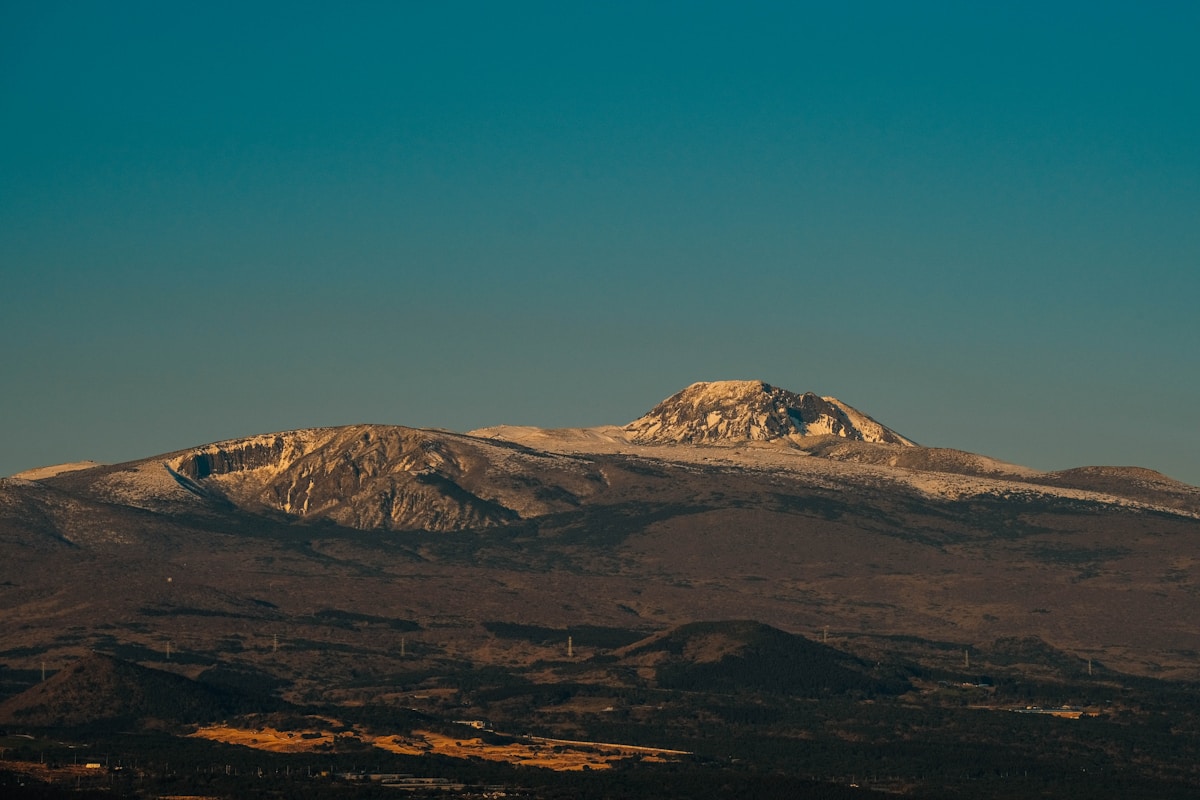
The southern slopes of Hallasan, the dormant volcano at the island’s centre, descend toward Seogwipo, placing it within easy reach of the mountain’s main hiking trails.
Getting to Seogwipo
From Jeju City: Direct buses connect Jeju City’s airport and city centre to Seogwipo in around 1 hour. The scenic coastal road (Route 1132) between the two cities is one of the island’s most pleasant drives. Taxis take around 45 minutes.
From Jeju Airport: Airport buses serve Seogwipo directly. The journey takes about 1 hour on the expressway.
Getting around: Car hire gives maximum flexibility for exploring the southern coast and Hallasan’s trails. The island bus system covers the main sites, but a car makes the rural eastern sections of Seogwipo’s coast far more accessible.
What to See
Cheonjiyeon Waterfall - a 22-metre waterfall in subtropical forest, a short walk from the Seogwipo city centre. The pool at its base is popular with visitors in summer. The park surrounding the falls has walking trails along a forested gorge. Evening visits can be atmospheric. Paid admission.
Jeongbang Waterfall - a 23-metre waterfall that falls directly onto a black lava rock beach and into the sea - one of the few such falls in Asia. Located about 2 km east of Seogwipo city centre along the coastal path. Paid admission.
Olle Trail sections - Jeju Olle is a network of 26 coastal walking routes totalling around 437 km, which circumnavigates and crisscrosses the island. Several sections run through or near Seogwipo’s coastline, including sections along dramatic lava cliffs with good views of the offshore island Beom Island (Beomseom). The trails are well-signposted and suitable for all levels.
Jusangjeolli Cliff - a stretch of coastline near Jungmun about 10 km west of central Seogwipo where hexagonal basalt columns form a cliff face dropping into the sea. The geometric regularity of the columns - formed by rapid cooling of lava - gives the cliff an almost constructed appearance. One of the most photogenic natural sites on Jeju.
Jungmun Resort Complex - a purpose-built resort area west of Seogwipo containing multiple large hotels, a marine park (Pacific Land), the Jeju World Cup Stadium, and Jungmun Saekdal Beach - one of the best swimming beaches on the island, with facilities and lifeguards in season. The beach operates from late June through August.
Seopjikoji - a coastal headland of open fields and volcanic rock about 25 km east of central Seogwipo, extending into the sea. The wide grassy area backed by Seongsan Ilchulbong (Sunrise Peak) in the distance is considered one of the most photogenic spots on Jeju. The yellow canola flowers in spring (March–April) are a draw for domestic visitors.
Hallasan National Park
Seogwipo sits on the southern slopes of Hallasan, the dormant volcano at Jeju’s centre, which puts the mountain’s trailheads within a short drive. Day hikers commonly use Seogwipo as a base for the southern and western trail approaches. For full trail details, entry timings, summit reservations, and what to pack, see the Hallasan hiking guide.
Where to Stay in Seogwipo
For accommodation options across all budgets, see our Seogwipo hotels guide.
Food and Drink
Seogwipo’s restaurants reflect the wider Jeju food culture - black pig grills, raw fish, and abalone dishes are the staples. The city’s port area has seafood restaurants supplied directly by the local fishing fleet. The Maeil Olle Market near the pier is a good compact food market for lunch or early dinner.
For guided hikes on Hallasan and tours around southern Jeju, booking ahead is essential for the summit trail during peak season.
Explore Seogwipo in Detail
- Things to do in Seogwipo - Cheonjiyeon and Jeongbang waterfalls, Olle Trail, Jusangjeolli Cliff, and submarine tours with entry fees
- Best hotels in Seogwipo - Hyatt Regency Jeju to waterfall-area pensions across every budget
- Seogwipo food guide - black pork BBQ, abalone juk, haemul ttukbaegi, Olle Market street food, and tangerine ice cream
Upcoming Events in Seogwipo
Jinju Lantern Festival 2026
Jinju Lantern Festival 2026 runs 3 to 12 October on the Nam River. Paper lanterns mark the 1592 Battle of Jinju: tickets, schedule, and how to get there.
Frequently Asked Questions
- Should I stay in Seogwipo or Jeju City?
- Seogwipo suits travellers primarily interested in natural scenery - the south coast's waterfalls, lava cliffs, and Hallasan hiking. Jeju City is better for airport convenience, wider accommodation choice, and island-wide transport. Many visitors split their stay between both.
- Is Hallasan accessible from Seogwipo?
- Yes - the Eorimok and Yeongsil trails on Hallasan's western and southern slopes are accessible from the Seogwipo side of the island. The Dongnae (Seongpanak) trail on the eastern side is the most popular route to the summit. All trails require a valid national park pass and summit sections have timed entry cut-offs.
- What are the two waterfalls near Seogwipo?
- Cheonjiyeon Waterfall is the larger and more visited - a 22-metre cascade near the city centre that flows to the sea. Jeongbang Waterfall, about 2 km east along the coast, is one of the few waterfalls in Asia that falls directly into the ocean. Both require paid admission.
Book an experience
Top experiences in Seogwipo
Explore the best tours and activities in Seogwipo, with instant confirmation and free cancellation on most bookings.