Where to Stay in Incheon: Best Areas for Every Budget
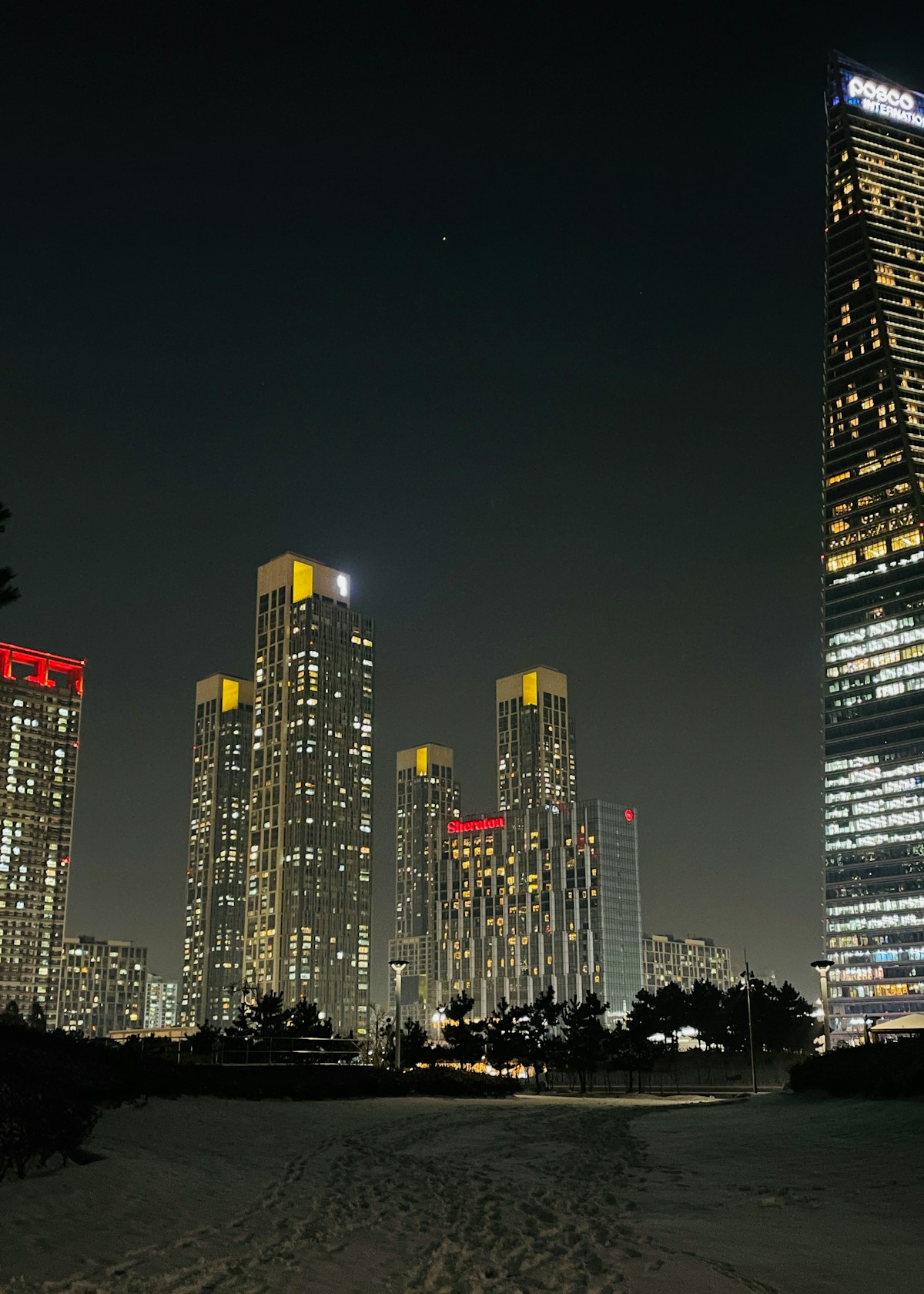
Incheon is not a city that demands a long stay, but choosing the right area makes a significant difference to what you get out of it. The city divides into four broadly distinct zones for accommodation: the historic Jung-gu district around Chinatown, the futuristic Songdo waterfront, the local commercial hub of Bupyeong, and the cluster of transit hotels near Incheon International Airport.
Here is a practical breakdown of each area to help you decide where to base yourself.
Jung-gu (Chinatown and Open Port Area)
The Jung-gu district covers the historic centre of Incheon around Chinatown, Jayu Park, and the Open Port waterfront. If you are visiting primarily for cultural reasons — the colonial-era architecture, the Korean-Chinese food history, the Incheon Art Platform — this is the logical place to stay.
Accommodation in Jung-gu tends toward small guesthouses, traditional-style lodgings, and independently run hotels rather than international chains. Prices generally run KRW 60,000–120,000 per night for a decent double room as of 2026. The area is not particularly flashy, but it has genuine character and puts you within walking distance of most of the central sights.
Practical points: Incheon Station (Metro Line 1 from Seoul) delivers you directly into this neighbourhood. The streets are walkable and relatively flat. Food options are excellent — the jajangmyeon restaurants in Chinatown alone make this area worthwhile.
Songdo International Business District
Songdo is a purpose-built smart city district reclaimed from the sea, about 30 minutes from central Incheon by metro or bus. It has a distinctly different character — planned towers, wide pavements, a central park with canals, and a large concentration of business hotels.
This area suits travellers who prioritise modern comfort and facilities over proximity to historic sights. The hotels are newer, rooms tend to be larger by Korean standards, and the surrounding area has excellent cafes, restaurants, and a major shopping centre.
Mid-range hotels in Songdo typically cost KRW 120,000–200,000 per night. Business-class options such as the Sheraton Grand Incheon (Songdo) run KRW 250,000 and above. The area is well connected to Incheon Airport by bus and to Seoul by the Incheon Metro.
The trade-off is that Songdo feels purpose-built and somewhat corporate. If you want atmosphere and texture, Jung-gu is the better choice.
Bupyeong
Bupyeong is a busy commercial district inland from the waterfront, served by Metro Line 1 (Bupyeong Station) and functioning as a local shopping and entertainment hub. It lacks the sightseeing draw of Jung-gu or the modern polish of Songdo, but it offers a window into everyday Incheon — department stores, chain restaurants, street food, and a population that is not particularly oriented toward tourism.
Accommodation in Bupyeong leans budget and mid-range: guesthouses, business hotels, and the type of small motel (여관/모텔) that is common across Korean cities. Prices are generally KRW 50,000–90,000 per night for a basic double. This suits travellers on a tight budget who want cheap, clean accommodation with easy metro access.
Bupyeong is not a destination in itself, but its central position on the metro line makes it a workable base if cost is the priority.
Near Incheon International Airport (Unseo / Airport Island)
A cluster of hotels has developed around Incheon International Airport itself, in the Unseo district on Airport Island. These range from budget business hotels to upscale options, all designed around the needs of transit travellers and early-flight passengers.
Prices in this zone run KRW 100,000–200,000 per night for standard rooms at mid-range properties as of 2026. Higher-end options such as the Grand Hyatt Incheon (connected to Terminal 1 by walkway) or the Novotel Ambassador at Terminal 2 charge KRW 200,000–350,000+. The appeal is pure convenience — you can check in late, sleep, and check out in time for an early departure without worrying about traffic or train schedules.
What you trade away is any meaningful access to the city. The airport island has limited non-hotel dining and almost nothing of cultural interest. For overnight transit stays, it is ideal. For leisure travel to Incheon, it is the least appealing area.
How to Choose
For sightseeing and culture: stay in Jung-gu, as close to Incheon Station as possible. You are within walking distance of Chinatown, Jayu Park, the Open Port area, and the Art Platform, and the metro puts Seoul and the rest of Incheon within easy reach.
For business or modern comfort: Songdo has better facilities, newer hotels, and a pleasant waterfront environment, though it requires a short journey to the historic sights.
For budget travel: Bupyeong keeps costs down without sacrificing metro connectivity.
For early flights or transit stays: the airport hotel zone is unbeatable for convenience, but nothing else.
For hotel recommendations with specific names and prices, see our best hotels in Incheon guide. For the full city overview, read the Incheon travel guide.
Book an experience
Top-rated experiences in Incheon Travel Guide
The highest-rated tours and activities in Incheon Travel Guide. Book today, cancel free if plans change.
Frequently Asked Questions
- Is it better to stay in Incheon or Seoul?
- For most visitors, Seoul makes more sense as a base — it has far more to see and do, and Incheon is within 70 minutes by metro. If you have an early morning flight, an airport-area hotel in Incheon is worth considering. If you want to spend a full day in Incheon itself, staying in Jung-gu near Chinatown gives the best access to the main sights.
- What is the best area of Incheon for sightseeing?
- The Jung-gu area around Chinatown and the Incheon Open Port district is the most historically interesting and puts you walking distance from the main attractions. Songdo is more modern and comfortable but requires a bus or metro ride to the sights.
- Are there cheap hotels near Incheon International Airport?
- Yes — there are budget and mid-range options in Unseo and the surrounding area, typically KRW 80,000–150,000 per night as of 2026. These are primarily aimed at transit travellers and business visitors, not cultural tourism.
Sorted your stay?
Here's how to get there — and get around once you arrive.
Airport Transfer
Fixed-price airport pickup to Incheon Travel Guide — driver meets you at arrivals, no haggling.
Book a Transfer →We may earn a small commission — at no extra cost to you.