Where to Stay in Daejeon: Best Areas for Every Budget
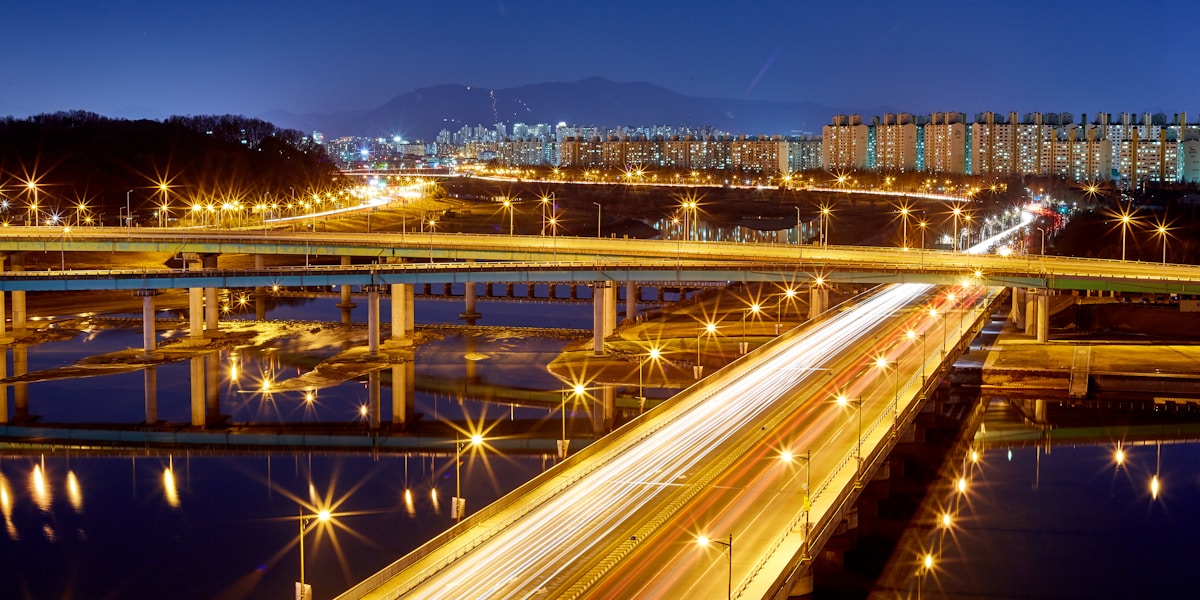
Daejeon’s accommodation divides across three main zones: the modern commercial district of Dunsan, the hot spring resort area of Yuseong, and the older commercial area around Daejeon Station. Each has a distinct character and different trade-offs for the visitor. Here is a practical breakdown.
Dunsan District
Dunsan is Daejeon’s contemporary business centre — a planned commercial district built from the 1990s onwards with wide boulevards, modern office buildings, shopping centres, and a concentration of business hotels. The Daejeon Metropolitan City Hall is located here, and the area functions as the administrative and commercial heart of the city.
For visitors, Dunsan’s main advantage is connectivity. Bus routes to the Expo Science Park and Hanbat Arboretum depart from the Dunsan area, and the Metro Line 1 runs through it. The city’s better mid-range and upper-range hotels are concentrated here.
Accommodation in Dunsan runs KRW 80,000–160,000 per night for mid-range business hotels. The Lotte City Hotel Daejeon, which anchors the upscale end of the Dunsan market, charges from approximately KRW 150,000 per night as of 2026. The area is not particularly atmospheric — it has the character of a planned business district everywhere — but it is efficient.
The main limitation of Dunsan for sightseeing is that it requires transport to reach most of the interesting places. The metro and buses handle this adequately, but it is not a walk-out-the-door-and-sightsee situation.
Yuseong Spa District
Yuseong is Daejeon’s most distinctive accommodation area. The district is built around natural hot spring (oncheon) water sources and has developed into a cluster of spa hotels and resorts that pump hot mineral water to in-room bathtubs and communal bath floors. This is the feature that sets Yuseong apart from any other accommodation option in the city.
The hot spring water in Yuseong is alkaline and clear, with temperatures of approximately 25–32°C at source (heated further for use). The larger hotels have multiple communal bath floors segregated by gender, sometimes including outdoor baths and steam rooms. Some properties offer private in-room hot spring bathtubs for a premium.
The Riviera Yuseong Hotel is the established anchor property in the area, with rates from approximately KRW 180,000 per night for a room with hot spring bath access as of 2026. Smaller hot spring guesthouses (온천여관 — oncheon yeogwan) in the area charge KRW 70,000–100,000 for a private room with oncheon facilities.
The Yuseong district is accessible by Metro Line 1 (Yuseong Oncheon Station) and is about 20–30 minutes by metro from Daejeon Station. The neighbourhood itself is leafy and lower-rise than Dunsan, with a resort atmosphere. It is particularly appealing in autumn and winter.
Near Daejeon Station (Old Downtown)
Daejeon Station is a major KTX and conventional rail hub — the express line between Seoul and Busan stops here, and regional trains connect to surrounding cities. The streets around the station form the older downtown area, with a more traditional urban character than the planned districts of Dunsan and Yuseong.
Accommodation near the station ranges from budget motels (KRW 40,000–70,000) to small business hotels (KRW 70,000–110,000). Facilities are basic but functional. The advantage is transit convenience: if you are using Daejeon as a stop on a longer Korean journey — arriving by KTX from Seoul and continuing south — staying near the station minimises logistical friction.
The main limitation is that much of the interesting sightseeing in Daejeon — Expo Science Park, Hanbat Arboretum, Bomunsan — requires a bus or metro journey from the station area. This is manageable but adds time.
Old Daejeon (Jung-gu and East Side)
The older residential and commercial areas east of Daejeon Station include the Jung-gu district with its traditional market (Jungang Market) and older restaurant streets. Accommodation here is primarily small guesthouses and traditional lodgings at budget prices (KRW 35,000–65,000).
This area is rarely the first choice for visiting tourists, but it suits travellers who prioritise low cost and authentic local atmosphere over modern amenities. The Jungang Market area is good for eating — local Daejeon dishes and standard Korean street food at reasonable prices.
Practical Comparison
| Area | Best For | Price Range (per night) |
|---|---|---|
| Dunsan | Business, metro access, modern comfort | KRW 80,000–160,000+ |
| Yuseong | Hot spring bathing, spa experience | KRW 70,000–200,000+ |
| Daejeon Station | KTX transit, budget, old downtown | KRW 40,000–110,000 |
| Old Daejeon / Jung-gu | Budget, local market access | KRW 35,000–65,000 |
For specific hotel names and prices, see our best hotels in Daejeon guide. For attractions and what to see, read our Daejeon things to do guide.
Book an experience
Top-rated experiences in Daejeon Travel Guide
The highest-rated tours and activities in Daejeon Travel Guide. Book today, cancel free if plans change.
Frequently Asked Questions
- What makes Yuseong special for accommodation in Daejeon?
- Yuseong is built around natural hot spring water sources and has a cluster of hotels offering hot spring bathing — either private in-room facilities or communal spa floors. This is unusual for a Korean city of Daejeon's size and makes Yuseong a genuinely distinctive accommodation option, particularly in winter.
- What is the best area to stay in Daejeon for sightseeing?
- Dunsan gives the best metro and bus connectivity to the main sights including the Expo Science Park, Hanbat Arboretum, and Bomunsan. Near Daejeon Station is the best option if you are arriving by KTX and plan to use trains for day trips. Yuseong makes more sense if the hot spring experience is itself a priority.
- Is Daejeon easy to navigate without a car?
- Yes — Daejeon has a metro system (three lines) and an extensive bus network. Most of the main attractions are reachable by public transport within 30–40 minutes from any of the main accommodation areas. Taxis are widely available and inexpensive by Korean urban standards.
Sorted your stay?
Here's how to get there — and get around once you arrive.
Airport Transfer
Fixed-price airport pickup to Daejeon Travel Guide — driver meets you at arrivals, no haggling.
Book a Transfer →We may earn a small commission — at no extra cost to you.