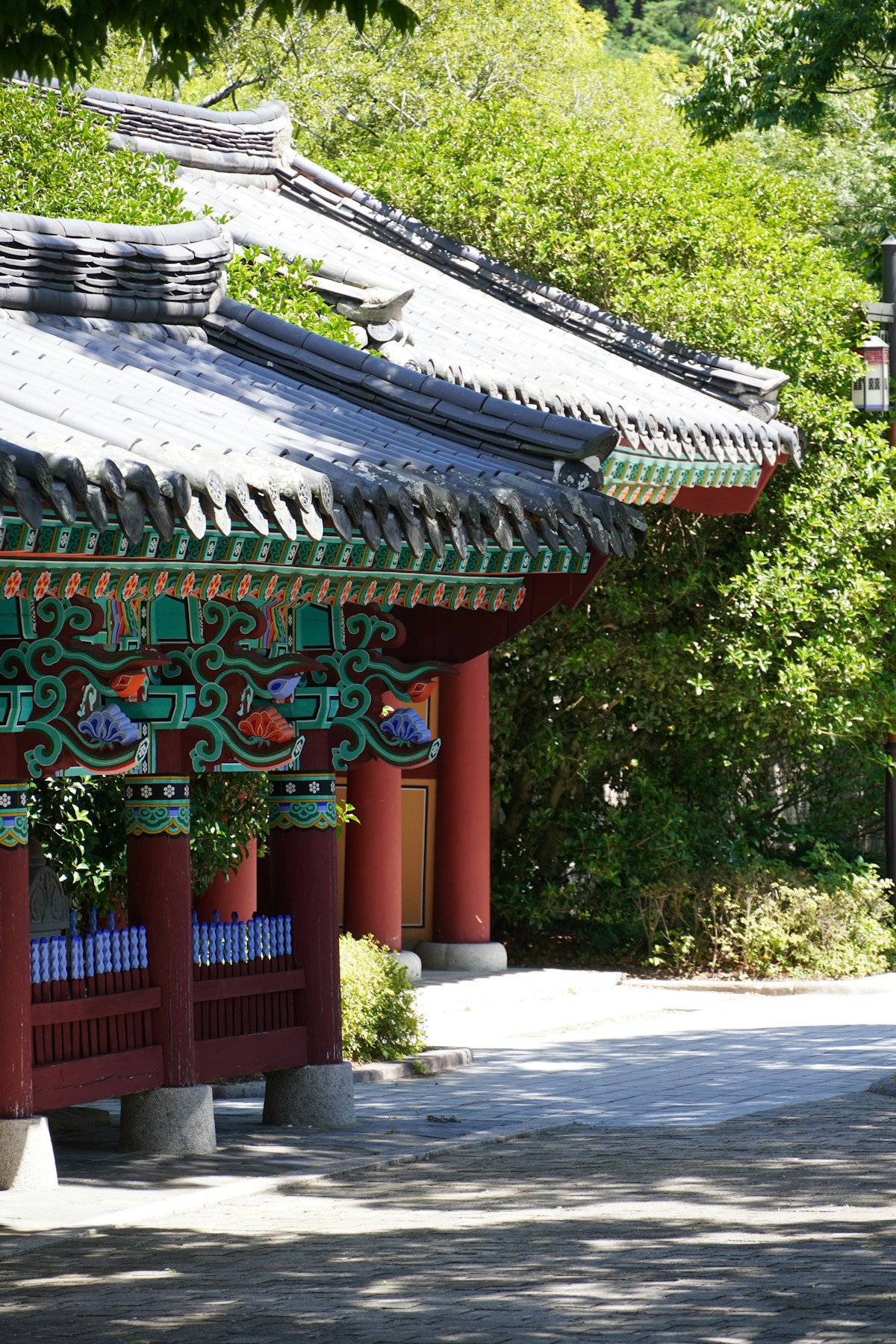
Daejeon Travel Guide
Explore Expo Science Park, day-trip to Gyeryongsan or Magoksa temple, and use Daejeon's KTX hub to cover central Korea efficiently.
Guides for Daejeon
Daejeon is South Korea’s fifth-largest city and a major railway junction at the geographic centre of the country, positioned roughly equidistant between Seoul and Busan. It houses KAIST (Korea Advanced Institute of Science and Technology) and a large concentration of government research institutes in the Daedeok Innopolis science zone, which gives the city a professional, educated character distinct from the tourism-oriented cities to the south.
For travellers, Daejeon functions primarily as a transport hub and a base for visiting the national parks and temples of the central Korean interior. It is an easy stopover on the Seoul–Busan corridor.
Getting to Daejeon
From Seoul: KTX takes approximately 50 minutes from Seoul Station to Daejeon Station. Standard trains take 1.5–2 hours. The central location on the main rail line means trains run very frequently.
From Busan: KTX takes around 1 hour 20 minutes. Express buses are also available.
From Jeonju: Buses take about 1 hour. There is no direct high-speed rail link between the two cities.
Things to Do
Expo Science Park - built on the site of the 1993 Daejeon World Exposition, the park has science-themed attractions, a cable car, and the Hanbit Tower (the main tower from the Expo). It caters primarily to domestic visitors, particularly families. The grounds are attractive for walking.
Ppuri Park and Gwanbong Peak - Ppuri Park is a traditional landscaped garden near the Expo site. The adjacent Gwanbong peak offers hiking trails with good views over the city. The park area is less crowded than the Expo site and more suitable for those wanting quiet green space.
Gyeryongsan National Park - located about 25 km west of central Daejeon, this forested mountain park holds several significant Buddhist and shamanist temples, including Magoksa (a UNESCO-listed temple) and Sinwonsa. Accessible by bus from Daejeon’s Yugwon bus stop; the journey takes around 40–50 minutes.
Daejeon Museum of Art - a regional art museum with a permanent collection and rotating exhibitions of Korean contemporary art. Free entry for the permanent collection. Located in the Expo area.
Yuseong Hot Spring District - a neighbourhood in western Daejeon with a concentration of hotels built around natural hot spring water. Several hotels open their spa facilities to non-guests for day use.
Where to Stay in Daejeon
For accommodation options across all budgets, see our Daejeon hotels guide.
Food and Drink
Daejeon is associated with kalguksu (knife-cut wheat noodles) and with dak-galbi (spicy stir-fried chicken, though this dish is more typically associated with Chuncheon in Gangwon Province). The Eunhaeng-dong and Dunsan areas have the densest restaurant concentration in the city.
Ojang-dong Hamheung Naengmyeon, a restaurant famous for cold noodles in the style of Hamheung (a city in North Korea), is a well-known Daejeon institution - long queues are normal at lunch. Cold noodle restaurants generally are a reliable option in Daejeon across all seasons.
Daejeon’s café scene is well-developed relative to its size, with several specialty coffee roasters operating in the Dunsan area.
For day trips and activities around Daejeon, including visits to Gyeryongsan National Park, see tours and experiences.
Explore Daejeon in Detail
- Things to do in Daejeon - Expo Science Park, Hanbat Arboretum, Bomunsan hiking, and the Uam Historic House
- Best hotels in Daejeon - from Riviera Yuseong and Lotte City Hotel to Toyoko Inn and budget options
- Daejeon food guide - sundae at Jungang Market, galbi, budae jjigae, and makgeolli culture
Deciding between Daejeon and Daegu for your central Korea stop? Our Daegu vs Daejeon comparison breaks down the differences between these two underrated inland cities - from market culture and regional food to hiking and how each city feels on the ground.
Upcoming Events in Daejeon
Jinju Lantern Festival 2026
Jinju Lantern Festival 2026 runs 3 to 12 October on the Nam River. Paper lanterns mark the 1592 Battle of Jinju: tickets, schedule, and how to get there.
Frequently Asked Questions
- Is Daejeon worth visiting as a tourist?
- Daejeon is not a primary tourist destination but makes a good stopover on the Seoul–Busan route, and it is the most practical base for visiting Gyeryongsan National Park and the temples nearby. The city itself has a relaxed atmosphere and good food.
- How long is the train journey from Seoul to Daejeon?
- The KTX takes around 50 minutes from Seoul Station to Daejeon Station, making it one of the easiest inter-city journeys in South Korea. This also makes Daejeon viable as a day trip, though an overnight stay is more relaxed.
- What is Daejeon known for?
- Daejeon is known as South Korea's science and technology hub - it hosts the Korea Advanced Institute of Science and Technology (KAIST) and the Daedeok Innopolis research cluster. It hosted the 1993 World Expo, the site of which is now a science park.
Book an experience
Top experiences in Daejeon
Explore the best tours and activities in Daejeon, with instant confirmation and free cancellation on most bookings.