Navigating payments in South Korea is straightforward once you understand the options. Cards work almost everywhere in cities, but having the right transport card saves time and small fees. This guide covers the four main cards foreign visitors encounter, plus currency exchange strategy.
Korean Won: The Basics
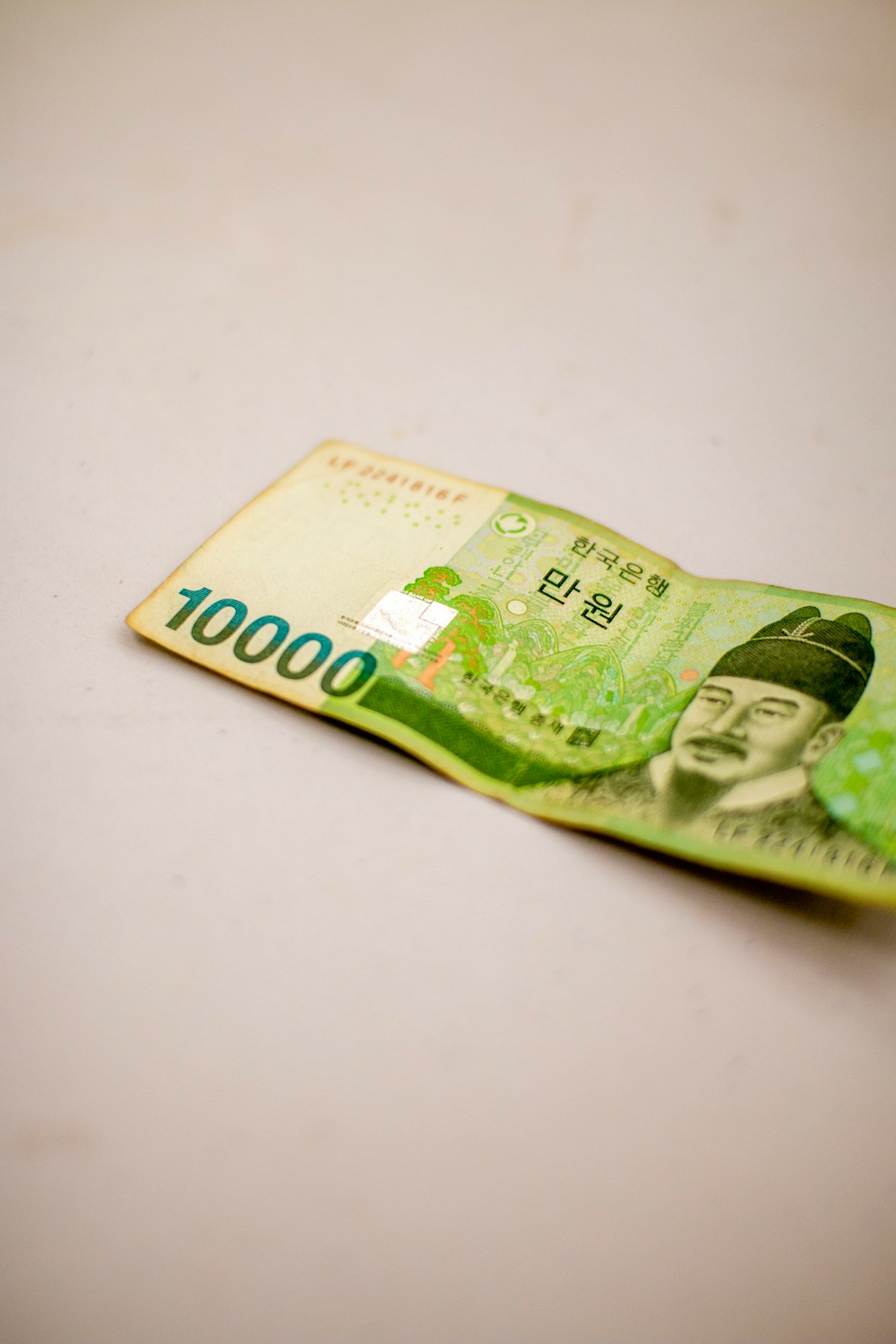
South Korea uses the Korean Won (KRW). Notes circulate in 1,000 (roughly USD 0.75), 5,000, 10,000, and 50,000 denominations. As of 2026, approximately KRW 1,340 = USD 1, though exchange rates fluctuate.
Credit and debit cards (Visa, Mastercard, Amex) are accepted at virtually all hotels, restaurants, convenience stores, and shops in cities. Foreign cards occasionally fail at very small local businesses - having some cash as backup is worthwhile.
The Four Cards to Know
1. WOWPASS - Best All-Rounder for Tourists
WOWPASS is a prepaid card designed specifically for foreign visitors. It combines two functions: a currency exchange/spending card (loaded with Korean won at competitive rates) and a T-money transport card for buses and metro.
How it works:
- Buy the card (approximately KRW 4,000 one-time fee as of 2026)
- Load KRW using the linked WOWPASS ATM network or the app via foreign card
- Use for transport, shopping, and restaurants anywhere T-money or Visa is accepted
Exchange rates: Typically 1.5–2% better than airport counters, and roughly equivalent to or slightly better than Myeongdong money changers, depending on the currency.
Best for: Visitors who want a single card for both transport and spending, especially those uncomfortable with cash.
2. NAMANE Card - Flexible Prepaid
NAMANE (나만의 카드, “my own card”) is a prepaid card available at convenience stores and some transport hubs. It can be loaded at CU, GS25, and 7-Eleven stores using cash or a linked Korean bank account.
NAMANE does not have the currency exchange function of WOWPASS, but it works as a T-money card for transport. It is simpler and cheaper to acquire than WOWPASS (around KRW 2,500–3,000 as of 2026) and suits visitors who already have a foreign card they’re happy to use for most purchases.
3. T-money Card - The Transport Standard
T-money is the original transport card for Seoul’s metro and buses. It works across all of Korea’s major city networks and on most intercity buses. It can also be used at convenience stores.
T-money cards are purchased and reloaded at:
- All metro station ticket machines
- CU, GS25, 7-Eleven, and Ministop convenience stores
- Airport arrivals counters
The standard T-money card costs approximately KRW 2,500–4,000 depending on the design. The transport discount compared to single tickets is small but adds up over a week. Leftover balance is refundable at station counters (a small handling fee applies for refunds under KRW 500).
WOWPASS and NAMANE both include T-money functionality, so if you get either of those, you do not need a separate T-money card.
4. Climate Card (기후동행카드) - Seoul Monthly Unlimited
Launched in 2024, the Climate Card is an unlimited metro and bus pass for Seoul valid for 30 consecutive days. As of 2026, it costs approximately KRW 65,000 per month for metro + bus, or KRW 62,000 for metro only.
It is designed for long-term residents and city-based visitors rather than tourists making intercity trips. For a visitor spending more than 10–14 days primarily in Seoul, the maths can work - 20 metro days at KRW 1,400 per trip = KRW 28,000 in base T-money cost, so even moderate daily usage of the metro and buses for a month makes it cost-effective.
Foreign visitors can purchase the Climate Card at most metro station ticket machines with a foreign card.
Currency Exchange: Best Rates
| Location | Typical Spread vs Mid-Rate |
|---|---|
| Incheon Airport counters | 4–6% below mid-rate |
| Hotel exchange desks | 5–8% below |
| Myeongdong money changers | 1–2% below |
| WOWPASS ATM network | 1.5–2% below |
| ATM withdrawal (foreign card) | ~2–3% below (depends on your bank) |
Myeongdong money changers: This area has the highest concentration of private foreign exchange desks in Seoul. Competition keeps rates sharp. Bring clean, unfolded banknotes - some desks apply a penalty for worn or damaged notes.
ATMs: All convenience store ATMs (7-Eleven, GS25, CU) accept foreign Visa and Mastercard debit cards. Withdrawal limits are typically KRW 300,000–500,000 per transaction as of 2026. Your home bank may charge a foreign transaction fee and ATM fee on top. Check with your bank before travel.
Tipping Culture
South Korea has no tipping culture. Adding a tip at a restaurant is unusual and can cause confusion. Service staff will often refuse a tip or return it to you. Gratuity is not expected at hotels, taxis, or cafes.
Useful Combinations
- Shortest trip (1–4 days): Buy T-money at airport, exchange cash in Myeongdong, use your existing Visa/Mastercard for larger purchases.
- Standard trip (5–14 days): Get WOWPASS on arrival (pre-order online for airport pickup), top up as needed, use it for all transport.
- Extended stay (2–4 weeks in Seoul): Consider the Climate Card for transport; use WOWPASS or Myeongdong exchange for cash needs.
For an overview of practical logistics including SIM cards and getting from the airport, see our first-time visitor guide to South Korea.
Plan Your Trip
✈️ Book your flights to South Korea 🛡️ Get travel insurance 📱 Stay connected with an eSIM 🚗 Rent a car