Where to Stay in Gangneung: Best Areas for Every Traveller
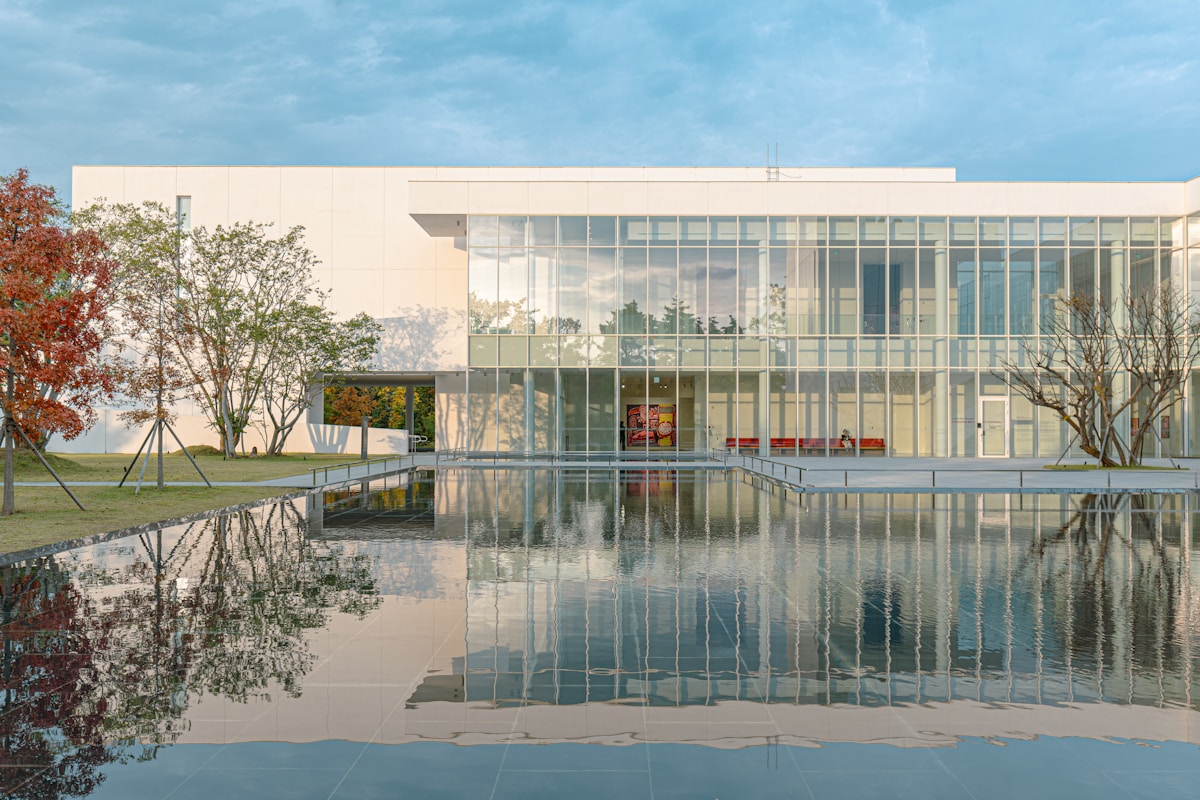
Gangneung’s accommodation spreads across four distinct zones — the Gyeongpo beach and lake area, the Anmok Coffee Street strip, the small coastal village of Jeongdongjin, and the city centre near Gangneung train and bus stations. The right base depends heavily on how you plan to spend your time. Here is a breakdown of each area with price ranges as of 2026.
Anmok Coffee Street Area
Anmok Beach and its famous coffee strip sit about 2 km north of the main Gyeongpo Beach. Staying here puts you on the beach, within walking distance of more than 50 specialty coffee roasters, and a short walk from the Lake Gyeongpo promenade and Gyeongpodae Pavilion.
The accommodation directly on and around Anmok Beach tends toward small independent pensions — Korean-style guesthouses that typically offer clean rooms, ondol (heated floor) options, and simple breakfast service. Prices run approximately KRW 80,000–150,000 per night for a private room as of 2026, depending on sea view and season. Summer weekends and public holidays command significant premiums.
Who it suits: Couples, travellers prioritising the coffee and beach experience, those who want to wake up and walk directly onto the sand. Not ideal if you are relying on buses for day trips, as connections are less frequent here than from the city centre.
Downsides: Limited restaurant variety beyond the cafes. You will likely need to taxi or bus into the city centre for evening dining options beyond the handful of seafood restaurants along the strip.
Gyeongpo Beach and Lake Area
The Gyeongpo area, centred on the stretch of beach and lakefront south of Anmok, is Gangneung’s most developed tourist accommodation zone. The beach runs for roughly 1.8 km and is backed by a pine forest, with Lake Gyeongpo sitting on the inland side — a setup that gives some properties direct lake or sea views depending on their position.
Budget options: Smaller guesthouses and love motel-style accommodation in the back streets behind the beach run from approximately KRW 60,000–90,000 per night as of 2026. These vary considerably in quality — check recent reviews and photos before booking.
Mid-range: Beachfront pensions and small hotel properties in the KRW 130,000–200,000 range are common. Many have been upgraded post-Olympics and offer a reasonable standard of rooms with sea-facing balconies or rooftop access.
Upscale: Several resort-style properties on the lake shore offer larger rooms, indoor pools, and spa facilities from approximately KRW 250,000–400,000 per night. These represent the most polished accommodation in the Gangneung area outside of the city centre business hotels.
Who it suits: Families, couples wanting a beach holiday feel, those who want easy access to both the sea and the lake. Local buses connect the Gyeongpo area to the city centre and Anmok in around 15–20 minutes.
Jeongdongjin
Jeongdongjin is a small village 18 km south of central Gangneung, most famous for having the train station nearest to the sea in Korea and for being one of the most popular New Year’s sunrise destinations in the country. Outside of major holiday periods, it is a genuinely quiet coastal spot with a fraction of the crowds found at Gyeongpo.
Accommodation in Jeongdongjin is limited — a handful of guesthouses, pensions, and small motels clustered near the train station and beach. Prices run approximately KRW 80,000–120,000 per night for a private room as of 2026. Standards are generally modest; this is not a destination for anyone expecting resort-level facilities.
Who it suits: Travellers specifically coming for the sunrise, solo visitors wanting a quiet base, those interested in the village’s small-town atmosphere. The train connection to Gangneung city (approximately 50 minutes on the scenic line) makes it viable to use Jeongdongjin as a base for a night or two while day-tripping into the city.
Downsides: Very limited restaurants (three to five options near the station), no convenience of urban infrastructure, and prices spike sharply around New Year’s Eve — booking months ahead for 31 December / 1 January stays is essential.
City Centre (Near Gangneung Station)
The area immediately around Gangneung train station and intercity bus terminal is the most practical base for visitors relying on public transport for day trips into the Gangwon region — Sokcho, Pyeongchang, and Wonju are all accessible by bus or train from here within an hour or two.
Business hotels: Several three- and four-star business hotels are positioned within walking distance of the station, typically priced at KRW 100,000–180,000 per night as of 2026. These offer the most consistent standard of accommodation in Gangneung in terms of room size, facilities, and service.
Boutique and design hotels: A small number of independent design hotels have opened in the city centre in recent years, catering to domestic travellers who want a more characterful stay than a standard business hotel. Prices for these run from approximately KRW 130,000–220,000 per night.
Budget accommodation: Guesthouses and smaller motels around the bus terminal area start from around KRW 50,000–70,000 per night for a private room. These are functional rather than atmospheric but represent the most economical option in the city.
Who it suits: Transit-focused travellers using Gangneung as a hub, business visitors, solo backpackers on tight budgets, and anyone who wants to take the Olympic arenas or visit multiple coastal sites in a single trip without renting a car.
Downsides: No beach or lake access from the city centre without taking a bus or taxi (around 10–15 minutes to Gyeongpo). The area is also less interesting visually than the beachside zones.
Practical Notes on Booking
Gangneung accommodation fills quickly during summer (July–August), spring cherry blossom season (late March–early April), the Danoje Festival (June), and New Year’s Eve. Outside these peaks, same-day availability is usually possible.
Most guesthouses and pensions in Gangneung operate through Korean platforms (Naver Hotel, Yanolja) alongside international sites. For stays during high-demand periods, booking two to three months ahead is advisable, particularly for beachside properties.
For a look at specific hotel properties, see our Gangneung best hotels guide. For what to see once you have arrived, read our things to do in Gangneung guide. The Gangneung city hub covers the full practical picture including transport and seasonality.
Book an experience
Top-rated experiences in Gangneung Travel Guide
The highest-rated tours and activities in Gangneung Travel Guide. Book today, cancel free if plans change.
Frequently Asked Questions
- What is the best area to stay in Gangneung for first-time visitors?
- The Gyeongpo Beach area is the most popular base — it sits near the lake, the sea, and Anmok Coffee Street, and has accommodation across all budgets. The city centre near Gangneung station is a better choice if you are relying on public transport for day trips.
- Is it worth staying in Jeongdongjin?
- Jeongdongjin suits travellers specifically coming to watch the sunrise or who want a very quiet coastal experience. The village is small with limited restaurant options. Most visitors find it better as a half-day trip from Gangneung city rather than a base.
- How much does accommodation in Gangneung cost?
- Guesthouses and small pensions near the beach start from approximately KRW 60,000–90,000 per night as of 2026. Mid-range hotels run KRW 120,000–200,000. Upscale resort-style properties near Gyeongpo start from around KRW 250,000.
Sorted your stay?
Here's how to get there — and get around once you arrive.
Airport Transfer
Fixed-price airport pickup to Gangneung Travel Guide — driver meets you at arrivals, no haggling.
Book a Transfer →We may earn a small commission — at no extra cost to you.