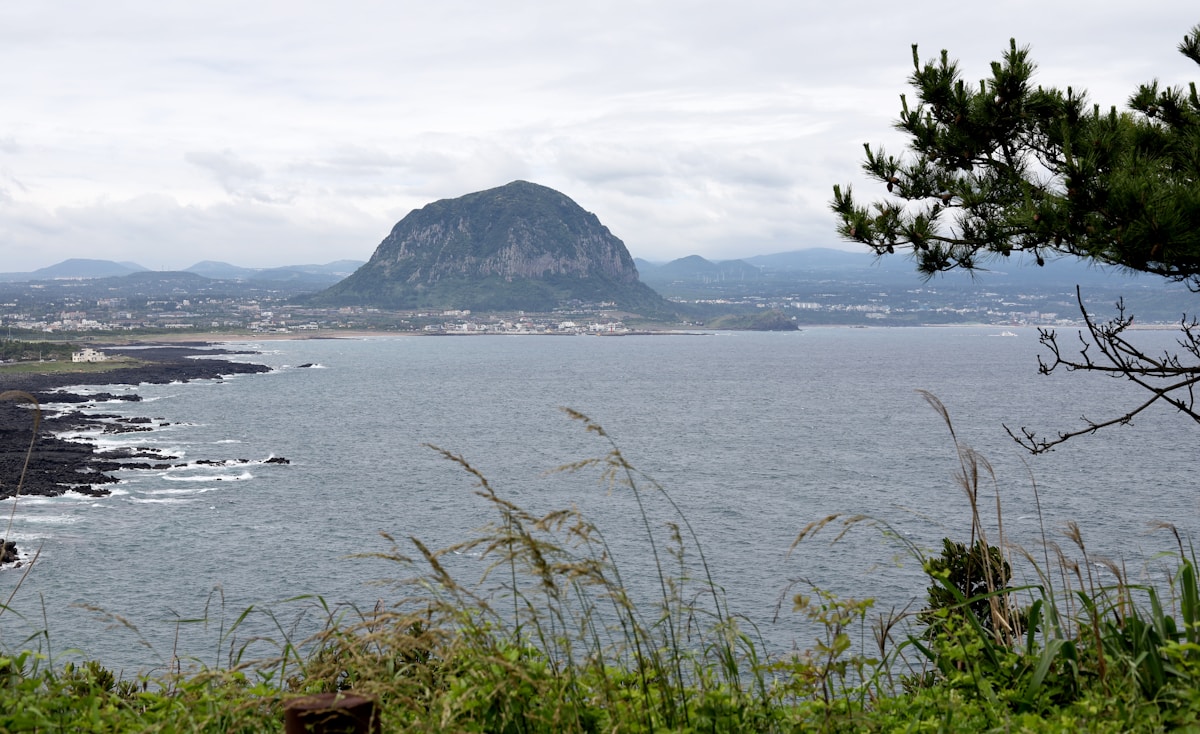
Jeju City Travel Guide
Jeju City is the main entry point to Jeju Island — this guide covers its harbour area, lava tube caves, folk villages, and transport around the island.
Jeju City is the administrative capital of Jeju Special Autonomous Province and the main arrival hub for Jeju Island — the volcanic island off the southern tip of the Korean peninsula that is South Korea’s most popular domestic holiday destination. Jeju International Airport serves both domestic and international flights, and the city’s port connects to the mainland by ferry.
The city itself is a sprawling urban area of around 480,000 people (about half the island’s population). While it lacks the scenic drama of the island’s southern coast or Hallasan’s slopes, it contains useful practical facilities, good markets, and the gateway to some of the island’s most visited natural sites.
Getting to Jeju City
By air: Jeju International Airport (CJU) receives frequent domestic flights from Seoul (Gimpo Airport, around 1 hour), Busan, and other Korean cities. International flights connect to several Chinese cities and other Asian destinations. The airport is about 5 minutes from the city centre by taxi.
By ferry: Ferries connect Jeju to several mainland ports including Mokpo, Wando, and Busan. Crossing times range from 4.5 hours (Mokpo to Jeju) to around 14 hours (Busan overnight ferry). The ferry is practical for travellers bringing a vehicle.
Getting around the island: Car hire is the most flexible option and straightforward from the airport or city. Intercity buses (The Bus) cover the coastal route and main attractions on a hub-and-spoke system. Taxis are readily available in the city.
Jeju City Highlights
Dongmun Traditional Market — the largest traditional market in Jeju, operating daily in the city centre. Stalls sell Jeju-specific products including halved black pig (heukdwaeji), fresh tangerines (hallabong and other varieties), dried seafood, and haenyeo (diving women) catches. The night market section is particularly active from late afternoon.
Manjanggul Lava Tube — one of the world’s longest lava tubes at 13.4 km total length, with a 1 km section open to visitors. The tunnel was formed by lava flows from Hallasan volcano around 300,000 years ago. It maintains a year-round temperature of around 11°C — a welcome relief in summer. Located about 30 km east of Jeju City near Gujwa-eup. UNESCO World Heritage listed.
Yongduam (Dragon Head Rock) — a coastal lava rock formation near the city waterfront, shaped by centuries of wave erosion into a profile that resembles a dragon emerging from the sea. The surrounding coastal walk offers views back toward the airport and city. Best in the morning light.
Hallim Park — a large private botanical garden on the western coast, about 30 km from the city, with lava caves, bonsai gardens, palm-lined paths, and a folk village section. Well-maintained and popular with domestic tourists. A half-day visit is typical.
Jeju Folk Village Museum — a reconstructed traditional Jeju village on the eastern coast near Seong읍 Folk Village, displaying traditional thatched-roof houses (omukjip), implements, and cultural artefacts. The nearby Seong읍 Folk Village is an inhabited traditional village still in use — a more authentic version of the same architecture.
Where to Stay
Jeju City has the widest range of accommodation on the island, from budget guesthouses near the airport and ferry terminal to business hotels in the city centre. The Shin Jeju (New Jeju) area has more modern hotels. For those primarily visiting the island’s southern coast, staying in Seogwipo makes more sense geographically.
Food and Drink
Jeju cuisine has its own distinct character from mainland Korea. Heukdwaeji (Jeju black pig) is the signature dish — a breed unique to the island served as pork belly grilled over charcoal. The Dongmun Market and the black pig restaurant street near the market are the main concentrations.
Haemul (seafood) preparations are central to island food culture, reflecting the historical role of haenyeo divers. Raw sea urchin (ganjang gejang style), abalone porridge (jeonbokjuk), and raw fish (hoe) are staples. The Tapdong waterfront area has seafood restaurants of varying price points.
Jeju tangerines (gamgyul) are available from November to February and are considered the best in Korea. Hallabong, a sweeter variety, runs slightly later in the season.
For tours around Jeju Island including day trips, coastal drives, and outdoor activities, see Jeju Island experiences.
Book an experience
Top experiences in Jeju City
Explore the best tours and activities in Jeju City — instant confirmation, free cancellation on most bookings.