Winter is South Korea’s quiet, clear-skied season. The air is dry, the palaces are lightly visited outside the holiday weeks, and the calendar fills with lantern displays, ice rinks, ski seasons and steaming bathhouses. The cold is real, but it is easy to manage with the right layers, and almost everything worth doing has a warm place nearby.
This guide pulls the season together. For month-level detail, see our guides to South Korea in December, January and February.
Weather and What to Expect
Seoul winters are cold and dry, not damp. Typical figures:
| Month | Seoul daytime high | Seoul night low | Notes |
|---|---|---|---|
| December | about 3°C to 5°C | about -3°C to -1°C | Winter lights start, cold builds late in the month |
| January | about 0°C to 2°C | about -8°C to -6°C | Coldest month, strongest wind chill |
| February | about 3°C to 5°C | about -5°C to -3°C | Slowly warming, fewer crowds after Seollal |
Busan and the south coast are milder, often 5°C to 10°C by day, while Gangwon Province and Seoraksan run well below freezing. Snow in Seoul is occasional and short-lived; for reliable snow, go to the mountains.
Pack for roughly -5°C to 5°C in the capital. Our full Korea packing guide covers the basics; the winter essentials are a long down coat, thermal base layers, a hat, gloves and a scarf, waterproof boots with grip for icy pavements, and a few heat packs (hotpacks sell for about KRW 1,000 at any convenience store). Indoor heating is excellent, including heated floors (ondol) in many guesthouses and hanok, so wear layers you can strip off on the subway.
Winter Festivals and Events
Seoul Lantern Festival. The free lantern display along Cheonggyecheon Stream is the capital’s best-known light event. The most recent confirmed edition ran from 12 December 2025 into January 2026, after being extended past its original early-January end. Dates for the 2026-27 edition were not officially confirmed at the time of writing, and published schedules disagree, so treat any date as provisional. Our events listing for Seoul Lantern Festival 2026 and the news page on the 2027 edition track what is confirmed. The official Seoul Tourism Organization winter page is the place to check before you fix dates.
Seoul Winter Festa. The city’s winter programme has recently centred on Gwanghwamun Square and Seoul Plaza, with light installations, a market-style Santa village and performances. The 2025-26 edition ran from 12 December to 4 January. The 2026-27 schedule had not been published when we checked, so expect a similar mid-December start but confirm before you plan.
Seoul Plaza ice rink. The open-air rink in front of City Hall is one of the cheapest winter activities in the city. In 2025-26 it ran from mid-December into early February, with entry reported at about KRW 1,000 for an hour including skate hire (as of 2025-26; check this season’s price). Evening sessions with City Hall and the surrounding towers lit up are the draw. Dates for the new season are typically announced in late autumn.
Ice festivals in Gangwon. Smaller ice and snow festivals, including ice fishing events in Hwacheon, usually run for a few weeks in January. Dates shift each year and depend on the ice, so check close to travel.
Pair a festival evening with a walk through the lit streets of Myeongdong and the Gwanghwamun and palace area, where snow on the tiled roofs is one of the best photographs of the year.
Skiing and Snow
Korea’s ski season generally runs from late November or early December to late February or mid-March, with the best snow in January and February. Yongpyong, Vivaldi Park and High1 are the most visited resorts, all within roughly two to three hours of Seoul by shuttle bus or car. Lift passes cost approximately KRW 80,000 to 120,000 per day as of 2026, with rental on top. Our Korea ski resorts guide compares them for beginners and strong skiers, and covers transport from Seoul.
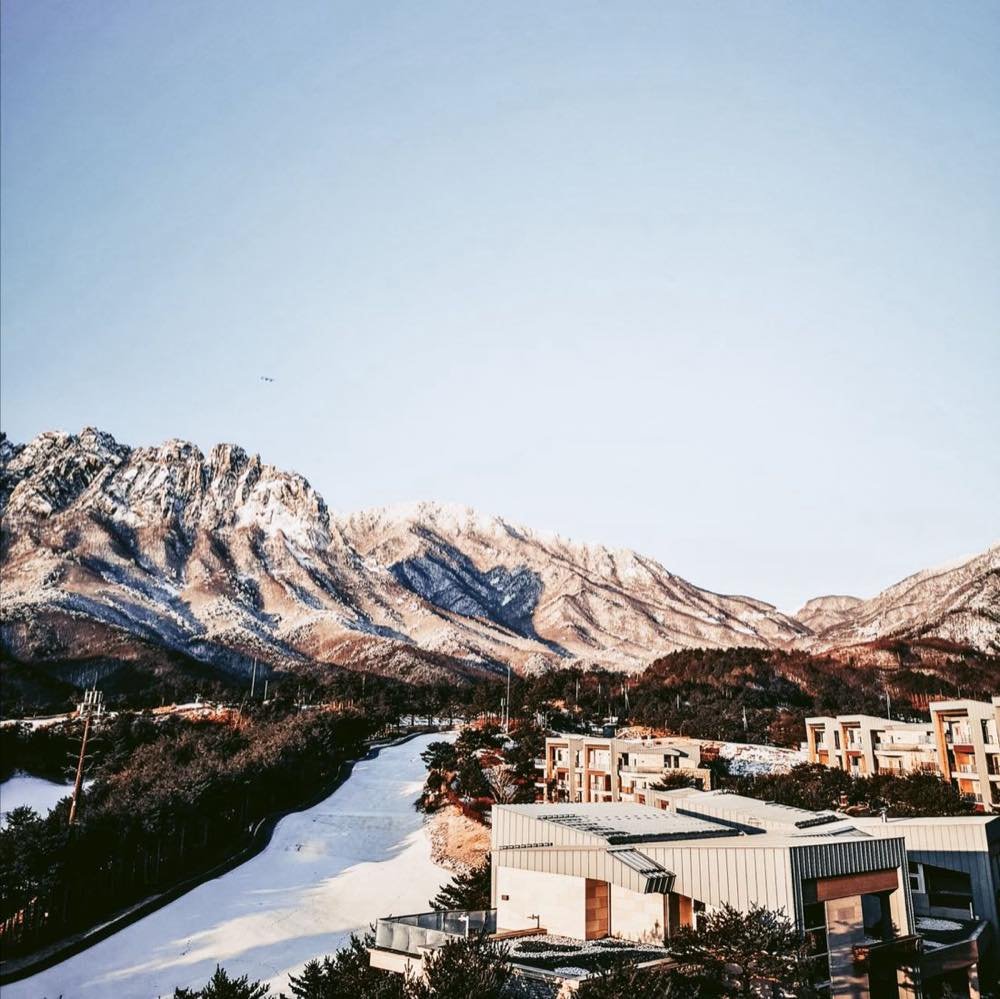
If you do not ski, Seoraksan National Park in snow is the other great winter day out. Trails to Biseondae and the cable car to Gwongeumseong are usually open, though icy paths mean crampons are sensible on higher routes. Base yourself in Sokcho and check trail status with the park before you go.
Jjimjilbang and Hot Baths
Nothing suits a Korean winter like a jjimjilbang. These large communal bathhouses combine hot and cold baths, dry saunas, heated rooms and sleeping floors, usually for a modest entry fee of roughly KRW 12,000 to 20,000, and many stay open overnight. After a day in the snow or a cold evening on the river, they are the most restorative option in the country. Our jjimjilbang guide walks you through etiquette, what to bring and the best places to start.
Winter Food
Winter is the season Korean comfort food was designed for.
- Hotteok: pan-fried sweet pancakes filled with brown sugar, cinnamon and nuts, sold at street stalls for about KRW 1,500 to 2,500.
- Bungeoppang: fish-shaped pastry filled with sweet red bean, often around three to four for KRW 2,000.
- Eomuk (fish cake) skewers: served with a cup of the hot broth, a staple at stalls and station exits.
- Gun-goguma: roasted sweet potato, sold from small carts and convenience stores.
- Budae-jjigae, kimchi-jjigae and haemul-tang: bubbling stews that suit the cold. Look for lunch sets from about KRW 9,000 to 12,000.
For where to eat in the capital, see our Seoul food guide.
Crowds, Prices and Timing
The busiest weeks are mid-December through to the end of January, when schools are out. Ski resorts, domestic trains and Seoul hotels book up, and prices peak around Christmas and the New Year. Seollal (Lunar New Year) falls on Sunday 7 February 2027, with a holiday from 6 to 8 February plus a substitute day on 9 February; many shops close, intercity trains and buses sell out, and Seoul can feel unusually empty. Check our public holidays guide for the exact days.
The calmest and cheapest period is the first three weeks of February after Seollal and the tail of January outside school breaks. Flights and hotels are often noticeably cheaper than in autumn. Book Seoul stays early for December; our Seoul hotels guide and Seoul hotel search on Booking.com are good starting points, and budget travellers can look at Seoul hostels.
Winter Day Trips and Tours
A cold day is a good day for a guided trip, because transport and logistics are handled for you. Popular winter options from Seoul include snow-focused Gangwon day tours, the DMZ and palace circuits (palaces are far less crowded), and Nami Island, where bare trees and snow make it look very different from the autumn crowds. Browse Seoul tours on GetYourGuide or all South Korea tours and check cancellation terms in case of heavy snow.
Practical Tips
- Wear grippy soles. Pavements and station approaches ice up, and hills in Bukchon and Ihwa become slippery.
- Carry cash for stalls, and a T-money card for transport; subways are heated.
- Daylight is short, around 9.5 hours in December and January, so start early for outdoor sights.
- Travel insurance with winter sports cover is worth having if you plan to ski; compare options with VisitorsCoverage.
- For official planning information, the Korea Tourism Organization lists current events and regional updates.